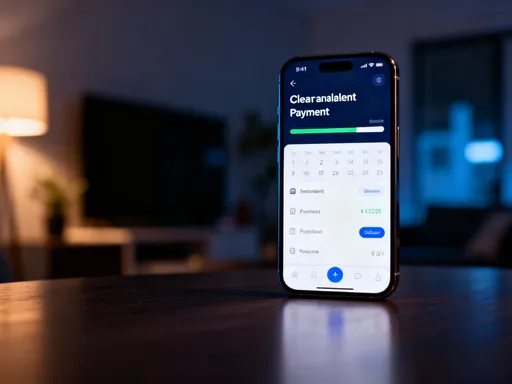
Buy Now, Pay Later? How I Mastered Installments with Smart Financial Tools
Ever found yourself swiping for a big purchase, only to panic at the repayment? I’ve been there—trapped in a cycle of installments that felt like financial quicksand. But over time, I discovered how to use installment plans strategically, not stressfully. With the right financial tools, what seemed like a debt trap became a powerful way to manage cash flow, build credit, and even boost savings—all without overspending. The shift didn’t happen overnight, but through consistent choices, disciplined planning, and a deeper understanding of how modern financial systems actually work. This is not about spending more; it’s about spending smarter, timing better, and gaining control.
The Hidden Truth Behind “Buy Now, Pay Later”
At first glance, “Buy Now, Pay Later” (BNPL) services appear to be little more than a modern convenience—a way to spread out the cost of a new refrigerator, a seasonal wardrobe update, or a home renovation. Retailers promote these options with slogans like “No interest if paid in full,” and consumers respond with enthusiasm, eager to avoid large upfront payments. Yet behind this seemingly simple transaction lies a complex financial mechanism that can either support or undermine long-term financial health. The truth is, installment plans are not neutral financial tools. They carry weight, influence behavior, and interact directly with credit systems, cash flow stability, and psychological spending patterns.
Consider two individuals purchasing the same $1,200 laptop. One uses a no-interest, 12-month installment plan through a reputable provider, aligns the payments with her monthly income cycle, and tracks the obligation within her digital budgeting app. She pays on time, avoids late fees, and sees a modest improvement in her credit score due to consistent reporting. The other, however, signs up for a similar plan without reviewing the terms, misses a payment due to poor cash flow planning, and incurs a $35 late fee. That single misstep triggers a chain reaction: additional fees, credit reporting damage, and a growing sense of financial anxiety. The product is identical, but the outcomes diverge sharply based on awareness and preparation.
The key insight is this: installment plans amplify existing financial habits. For those with strong budgeting discipline, they offer flexibility and strategic advantages. For those operating on the edge of their income, they can accelerate financial strain. Most BNPL providers report payment history to credit bureaus, meaning timely payments contribute positively to creditworthiness, while delinquencies leave lasting marks. Unlike traditional credit cards, many BNPL services do not charge ongoing interest if paid on schedule, but they often impose steep penalties for missed payments—penalties that can quickly erode any short-term benefit. Understanding these dynamics transforms installment use from a passive spending decision into an active financial strategy.
Moreover, the psychological effect of installment plans cannot be overlooked. The perception of affordability—“only $100 a month”—can make large purchases feel manageable, even when they strain actual cash flow. This cognitive disconnect is where many consumers stumble. The real cost isn’t just the sum of the payments; it’s the opportunity cost of that money over time, the risk of penalties, and the emotional toll of carrying ongoing obligations. Recognizing this hidden structure is the first step toward mastering installment use rather than being mastered by it.
Why Installments Are More Than Just Monthly Bills
Monthly installment payments may appear as routine line items in a budget, but their impact extends far beyond simple cash outflows. When managed consistently, they function as building blocks for financial credibility. Each on-time payment contributes to a positive credit history, which in turn influences borrowing power, interest rates on future loans, and even non-financial opportunities like rental applications or utility deposits. In this way, installment plans serve as a form of financial exercise—regular, structured actions that strengthen overall economic resilience over time.
Credit scoring models, such as FICO and VantageScore, place significant emphasis on payment history, which typically accounts for 35% of a consumer’s score. A consistent record of meeting installment obligations signals reliability to lenders. This is especially valuable for individuals building credit from scratch or recovering from past setbacks. Unlike revolving credit accounts, where high balances relative to limits can hurt scores, installment loans often have a neutral or positive effect when managed well. The fixed nature of these payments—both in amount and duration—makes them easier to forecast and control, reducing the risk of surprise overextensions.
However, not all debt is created equal, and the distinction between good debt and bad debt is critical. Good debt is an obligation that supports long-term value creation—such as a mortgage on a home that appreciates, or a student loan that leads to higher earning potential. Bad debt, by contrast, involves financing consumption that delivers no lasting return, particularly when carried at high cost or with poor terms. An installment plan for a durable appliance that replaces a failing unit may fall into the “good” category, especially if it prevents a larger emergency expense. But using installments to finance frequent luxury purchases—without a clear repayment strategy—edges into the territory of bad debt, eroding financial stability over time.
The real power of installment payments lies in their predictability. Because the payment amount and schedule are fixed, they can be integrated into a household’s financial rhythm. When aligned with income cycles—for example, scheduling payments just after payday—installments become a manageable part of regular cash flow rather than a source of stress. This predictability also makes them ideal for automation, reducing the cognitive load of financial management and minimizing the risk of missed payments. Over time, this consistency builds not only credit strength but also personal confidence in one’s ability to manage money effectively.
Choosing the Right Financial Tools for Your Payment Plan
Not all financial tools are equally effective when managing installment payments. The modern consumer has access to a wide range of options—from built-in BNPL services offered at checkout to credit card installment plans, digital budgeting platforms, and automated savings apps. The challenge lies in selecting the right combination of tools that align with individual financial habits, goals, and risk tolerance. The most effective systems are those that promote transparency, minimize fees, and integrate seamlessly into daily financial routines.
Credit cards with installment functionality, for instance, offer flexibility for larger purchases. Some issuers allow cardholders to convert a transaction into a fixed-term payment plan with a low or zero-interest rate for a promotional period. These plans often appear directly within the cardholder’s online account, making tracking straightforward. However, they typically require good credit for approval, and missing a payment can result in the loss of promotional terms, triggering retroactive interest charges. Therefore, while convenient, they demand a high level of discipline and awareness.
Third-party BNPL providers like Affirm, Klarna, or Afterpay have gained popularity for their ease of use and instant approval processes. They often partner directly with retailers, allowing consumers to select installment options at the point of sale. Many of these services offer interest-free plans if paid within a set period, such as four payments over six weeks or 12 months with no interest. However, their fee structures vary widely—some charge late fees as high as $7 or more per missed installment, and repeated defaults can lead to account suspension or debt collection. Additionally, not all BNPL providers report to all three major credit bureaus, which means responsible use may not always translate into credit score improvements.
For long-term financial control, digital budgeting tools are indispensable. Applications like Mint, YNAB (You Need A Budget), or PocketGuard allow users to link bank accounts, credit cards, and loans, providing a unified view of income, expenses, and upcoming payments. These platforms can automatically categorize installment payments, send reminders before due dates, and project cash flow over time. More advanced features include goal tracking, debt payoff forecasting, and spending alerts. By integrating installment obligations into a comprehensive budget, users gain visibility and control, reducing the likelihood of surprise shortfalls.
Automation tools further enhance reliability. Setting up automatic payments through a bank or credit provider ensures that installments are made on time, every time. Some savers go a step further by using “buffer accounts”—a secondary savings account where funds are transferred ahead of each payment date. This creates a psychological and financial cushion, ensuring that money is available even if income timing shifts slightly. The combination of visibility, automation, and proactive funding transforms installment management from a reactive chore into a seamless part of financial hygiene.
How to Turn Installments into a Wealth-Building Strategy
The most powerful shift in financial thinking occurs when installment plans are no longer seen as mere debt obligations but as tools for strategic cash flow management. When used wisely, they free up liquidity that can be redirected toward higher-value financial goals—such as building an emergency fund, investing in low-risk instruments, or accelerating debt repayment elsewhere. This is not about increasing debt for its own sake, but about optimizing timing and allocation to generate long-term gains.
Consider the case of Maria, a 42-year-old school administrator and mother of two. When her HVAC system failed in the middle of summer, she faced a $3,500 replacement cost. Rather than drain her emergency savings or pay interest on a credit card, she opted for a 24-month, no-interest installment plan through a local contractor who partnered with a national financing provider. She verified that the plan reported to credit bureaus, had no prepayment penalty, and included automatic payment setup. With the payment scheduled for the first of each month—just after her paycheck cleared—she committed to transferring $150 monthly into a dedicated savings sub-account.
What made this strategy transformative was what she did with the remaining cash flow. Because she didn’t have to pay the full amount upfront, she continued contributing $200 per month to a high-yield savings account. Over two years, that consistent saving grew to over $5,200, including interest—enough to cover her next major home repair without financing. Meanwhile, her on-time payments improved her credit score by 42 points, qualifying her for a lower mortgage refinance rate that saved her $75 per month on her home loan. The installment plan didn’t just solve an immediate problem; it became a catalyst for broader financial progress.
This approach relies on a simple principle: leverage short-term financing to preserve or redirect capital toward higher-return opportunities. The key is discipline—ensuring that the money saved by not paying upfront is not spent elsewhere but allocated intentionally. This requires clear budgeting, automated transfers, and a mindset shift from consumption to stewardship. When installment payments are treated as fixed commitments, and the freed-up funds are treated as investment opportunities, the financial equation changes fundamentally. Debt becomes a tool, not a burden.
Another example is using installment plans to consolidate higher-interest obligations. Suppose someone carries a $2,000 balance on a credit card with a 24% annual interest rate. By transferring that balance to a 12-month, 0% interest installment plan, they eliminate the compounding cost of interest. If they commit the amount previously spent on interest—around $40 per month—into a Roth IRA or a college savings plan, they begin building future value while paying down the principal. This dual benefit—debt reduction and wealth accumulation—is only possible with intentional design and consistent execution.
Red Flags: When Installments Become a Trap
Even the most well-designed financial tools can lead to trouble when used without awareness. Installment plans, despite their benefits, come with inherent risks—particularly when consumers fail to read the fine print, underestimate their cash flow limits, or fall prey to psychological spending triggers. The line between smart financing and financial overextension is often thinner than it appears, and certain warning signs indicate when installment use is veering off track.
One of the most common red flags is the presence of compounding fees. Some BNPL services charge late fees not per transaction, but per installment. A $1,200 purchase split into four $300 payments could incur a $10 fee for each missed payment, totaling $40 for a single delayed cycle. Worse, some providers charge fees that stack over time or apply retroactive interest if the full amount isn’t paid by the deadline. These hidden costs can quickly turn a “no-interest” plan into an expensive obligation, erasing any short-term benefit.
Another danger lies in the psychological ease of approval. Many BNPL platforms offer instant decisions with minimal credit checks, creating a sense of financial permission that can encourage overspending. The immediate gratification of acquiring a product—paired with the delayed pain of repayment—can distort judgment. This is especially true for emotionally driven purchases, such as gifts, fashion items, or lifestyle upgrades, where the initial excitement fades long before the final payment is made. Over time, multiple small installment obligations can accumulate into a significant monthly burden, crowding out funds for essentials or savings.
A third warning sign is the misalignment of payment dates with income cycles. Scheduling a $200 payment for the 15th of the month when payday arrives on the 1st may seem manageable, but unexpected expenses or timing shifts can leave the account short. Without a buffer, even a responsible spender can miss a payment, triggering fees and credit damage. This mismatch between cash inflow and outflow is one of the most preventable yet common causes of financial stress related to installments.
Finally, overreliance on installment plans—especially for non-essential items—signals a deeper issue. If a consumer routinely uses financing for purchases that could be saved for, it may indicate a gap between income and lifestyle expectations. While installment plans can provide temporary relief, they do not increase purchasing power; they merely defer it. Without a plan to close the gap, this pattern can lead to a cycle of perpetual debt, where each new purchase is financed by the next paycheck, leaving little room for true financial progress.
Practical Techniques to Stay in Control
Sustained financial control comes not from willpower, but from systems. Willpower is fleeting; it depends on mood, energy, and circumstance. Systems, on the other hand, operate independently of emotion. They rely on structure, automation, and small, repeatable actions that compound over time. When it comes to managing installment payments, the most effective techniques are those that reduce decision fatigue, increase visibility, and build accountability through simple, consistent practices.
One of the most powerful strategies is payment syncing—aligning installment due dates with income deposits. For most households, the biggest financial stress occurs in the days immediately before payday, when accounts are lowest. By scheduling all installment payments for the first few days after income arrives, consumers ensure that funds are available and reduce the risk of overdrafts or missed payments. Most lenders allow customers to select or change their due date, making this adjustment both simple and impactful. This small change transforms payments from a source of anxiety into a routine part of the monthly cycle.
Another proven method is the use of buffer accounts. Instead of relying on a primary checking account to cover installment payments, some savers maintain a separate low-balance savings account dedicated to upcoming obligations. Each month, they transfer the total amount of upcoming payments into this account ahead of time. This creates a psychological separation between spending money and obligation money, reducing the temptation to reallocate funds. It also provides a safety net in case of unexpected delays in income. The buffer account acts as a financial airbag—silent until needed, but invaluable when activated.
Visual progress tracking is another effective tool. Research in behavioral economics shows that people are more likely to stick to goals when they can see tangible progress. Digital tools like budgeting apps often include progress bars or payoff timelines for installment plans. Seeing a loan balance decrease month after month reinforces positive behavior and builds motivation. Some users even create physical trackers—charts on the refrigerator or digital dashboards on their phones—to maintain focus. This visibility turns abstract obligations into concrete achievements.
Finally, automation is the cornerstone of long-term success. Setting up automatic payments ensures consistency, eliminates forgetfulness, and reduces stress. When combined with alerts and account monitoring, automation creates a self-reinforcing system that supports financial health without constant oversight. The goal is not to micromanage money, but to design a system where good outcomes happen by default.
Building a Sustainable Financial System
The ultimate objective of mastering installment plans is not to manage individual purchases more effectively, but to build a financial system that supports long-term security and peace of mind. This shift in perspective—from reactive problem-solving to proactive planning—transforms money from a source of stress into a tool for empowerment. A sustainable financial system integrates installment use into a broader framework of goals, values, and habits that compound over time.
When installment plans are aligned with major life objectives—such as saving for a home, funding education, or preparing for retirement—they become part of a cohesive strategy rather than isolated transactions. For example, using a no-interest plan to replace a failing appliance preserves emergency funds that can later be deployed toward a down payment. Or, financing a professional certification course through installments may lead to a higher income, accelerating progress toward financial independence. In each case, the decision is not about the item itself, but about its role in the larger financial narrative.
This requires foresight. It means asking not just “Can I afford this payment?” but “What will this choice cost me in the long run, and what opportunities does it create?” It involves regular financial check-ins—monthly budget reviews, quarterly goal assessments, and annual credit reports—to ensure alignment with evolving needs. It also means building flexibility into the system, so that unexpected changes—job shifts, family needs, economic fluctuations—do not derail progress.
Over time, the consistent application of these principles leads to compounding benefits. On-time payments improve credit scores, which lower borrowing costs. Lower borrowing costs free up cash flow, which can be redirected into savings or investments. Savings and investments grow, creating greater financial resilience. Resilience reduces stress, which supports better decision-making. This virtuous cycle is not the result of a single action, but of many small, deliberate choices made over time.
In the end, financial mastery is not about perfection. It’s about progress. It’s about learning from missteps, adjusting strategies, and continuing forward with clarity and purpose. By treating installment plans not as shortcuts, but as components of a thoughtful financial system, consumers can turn what many see as a risk into a reliable tool for building lasting wealth and security.