How I Turned My Art Obsession Into Smart Investments — Without the Hype
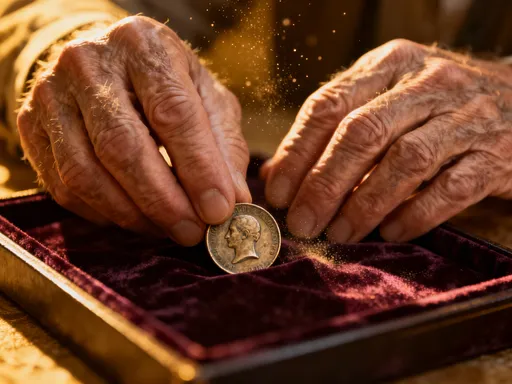
You don’t need a fortune to start treating art like an investment. I began collecting pieces I loved, not for galleries, but for long-term value. Over time, I learned what moves prices, what tanks value, and how to spot hidden potential. It wasn’t always smooth — I misjudged artists and overpaid. But with real experience, not theory, I built practical skills. This is how I navigate the art market, protect my investments, and still enjoy the passion behind every piece.
Why Art Makes Sense as a Financial Asset
Art has long been seen as a luxury, but increasingly, it’s being recognized as a legitimate financial asset. Unlike stocks or bonds, art is a tangible item — something you can see, feel, and live with. This physical presence gives it a unique stability, especially during periods of economic uncertainty. When stock markets fluctuate, art often remains insulated, moving on a different cycle influenced more by cultural trends, artist recognition, and collector demand than by interest rates or inflation. This independence makes it a powerful tool for portfolio diversification. For investors seeking to reduce risk across asset classes, adding art can provide a buffer against volatility in traditional markets.
One of the most compelling aspects of art as an investment is its potential for long-term appreciation. While it does not generate regular income like dividends or rental yields, a well-chosen piece can increase significantly in value over time. Historical data from major auction houses shows that certain segments of the art market, particularly works by established modern and contemporary artists, have outperformed traditional indices over multi-decade periods. For example, the Mei Moses Fine Art Index, which tracks repeat auction sales, has shown annualized returns that rival or exceed those of the S&P 500 in specific timeframes. These gains are not guaranteed, but they illustrate that art, when approached strategically, can be more than just a decorative expense — it can be a wealth-building vehicle.
What sets art apart from other assets is the emotional connection it fosters. While this might seem at odds with cold financial logic, it actually supports disciplined investing. When you love a piece, you're less likely to sell impulsively during market downturns. This emotional attachment encourages long-term holding, which is often key to realizing substantial returns. In contrast, investors in purely financial instruments may react emotionally to short-term losses by selling low. With art, the personal significance of a work can act as an anchor, helping collectors stay committed through market cycles. This blend of passion and patience creates a unique psychological advantage in wealth preservation.
However, art is not without its challenges as an investment. One of the most significant drawbacks is its illiquidity. Unlike stocks, which can be sold within seconds, selling a valuable artwork often takes months — sometimes even years — depending on market conditions and buyer availability. There’s also no standardized pricing mechanism. Two seemingly identical works by the same artist can command vastly different prices based on provenance, condition, or timing. This subjectivity requires careful due diligence and a realistic understanding of valuation. Additionally, art does not pay interest or dividends, so returns are entirely dependent on capital appreciation. For these reasons, art should not dominate a portfolio but serve as a complementary holding that balances both financial and personal value.
Spotting Value Beyond the Aesthetic: What Truly Drives Prices
The allure of art often begins with beauty, but lasting financial value goes far beyond visual appeal. A painting may captivate at first glance, yet fail to appreciate over time if it lacks the underlying fundamentals that drive market demand. The most reliable indicators of long-term value include the artist’s reputation, exhibition history, provenance, rarity, and critical recognition. These factors form the foundation of an artwork’s market credibility. While emotional response is important, successful collectors learn to balance instinct with analysis, recognizing that the most profitable pieces are often those supported by verifiable achievements rather than fleeting trends.
An artist’s career trajectory plays a crucial role in determining future value. Those represented by reputable galleries, included in museum collections, or featured in major biennials tend to see stronger and more sustained price growth. Gallery representation, in particular, acts as a quality filter — respected dealers invest time and resources into nurturing artists they believe have long-term potential. Similarly, inclusion in public or institutional collections signals peer validation and can significantly boost market confidence. I’ve learned to research an artist’s CV carefully, looking for consistent exhibition records and critical engagement rather than isolated successes. An artist with a single viral moment may attract short-term attention, but sustained visibility across curated platforms is a better predictor of enduring value.
Provenance — the documented history of ownership — is another critical factor. A piece that has been owned by a well-known collector, exhibited in a prominent museum, or published in a catalog raisonné carries greater credibility and often commands higher prices. Clear provenance reduces the risk of disputes over authenticity and enhances buyer confidence. Conversely, gaps in ownership history or unclear documentation can raise red flags, even if the artwork appears legitimate. I once passed on a visually striking piece because its provenance trail was incomplete, and later discovered it was involved in a restitution claim. This experience reinforced the importance of due diligence: passion should never override caution when authenticity is in question.
The medium and condition of the artwork also influence its investment potential. Paintings on canvas generally hold value better than works on paper or mixed media, which are more susceptible to damage and deterioration. Limited edition prints can be valuable, but only if they are properly authenticated, signed, and produced in a small, numbered run. Mass-produced reproductions, even if authorized, rarely appreciate. Condition is equally important — even minor restoration work can affect value, especially if not professionally documented. I now make it a practice to have high-value acquisitions assessed by a conservator before purchase. This not only protects my investment but also provides peace of mind knowing the piece is preserved to the highest standard.
The Hidden Costs No One Talks About (And How to Plan for Them)
Many new collectors focus solely on the purchase price, overlooking the ongoing expenses that can erode returns over time. Art is not a passive investment; it requires active maintenance and financial planning. Storage is one of the most significant hidden costs. Unlike stocks or digital assets, physical artworks need secure, climate-controlled environments to prevent damage from humidity, temperature fluctuations, or light exposure. Improper storage can lead to cracking, fading, or mold — all of which diminish value. I learned this the hard way when a watercolor I stored in a basement began to warp due to moisture. After investing in professional archival framing and a dedicated storage unit, I realized that preservation is not optional — it’s a core component of ownership.
Insurance is another essential but often underestimated expense. Standard homeowner’s policies typically offer limited coverage for fine art and may exclude certain risks like accidental damage or theft during transit. A specialized fine art insurance policy is usually necessary, and premiums are based on the current market value of the work, not the original purchase price. As the artwork appreciates, so does the cost of insuring it. I now review my insurance coverage annually, ensuring it reflects updated valuations from certified appraisers. This proactive approach prevents underinsurance, which could leave me financially exposed in the event of loss. At the same time, over-insuring can lead to unnecessarily high premiums, so finding the right balance is key.
Authentication and appraisal services also come at a cost. Establishing the legitimacy of an artwork often requires expert verification, especially for pieces by mid-career or historical artists. Reputable authentication boards or estate representatives may charge substantial fees for certificates of authenticity. Similarly, formal appraisals are needed for insurance, estate planning, or resale purposes, and these must be conducted by qualified professionals. I budget for these services as part of the acquisition process, treating them as non-negotiable investments in the artwork’s credibility. Skipping these steps might save money upfront but can lead to costly disputes or devaluation down the line.
Restoration and conservation are additional expenses that can arise unexpectedly. Even with proper care, artworks may require professional intervention over time. Conservation treatments — such as cleaning, relining, or inpainting — must be performed by specialists to avoid damaging the piece. These services are not cheap, and their cost can vary widely depending on the size, medium, and extent of work needed. I now include a reserve fund in my annual art budget specifically for maintenance and unexpected repairs. By planning for these costs from the beginning, I protect both the physical integrity of my collection and its long-term financial viability.
Timing the Market: When to Buy, When to Hold, When to Sell
The art market operates on a different rhythm than financial markets. There is no real-time ticker, no daily trading volume, and no automated execution. Transactions are often private, slow, and influenced by personal relationships and timing. Because of this, successful investing in art requires patience and strategic timing. The best buying opportunities frequently arise during periods of market correction or when an artist is on the cusp of wider recognition. I’ve found that acquiring works early in an artist’s career — before they hit major auctions or gain widespread media attention — can lead to the strongest returns. These early-stage pieces are often priced accessibly, yet carry high upside potential as the artist’s reputation grows.
One of my most successful acquisitions was a painting by a then-unknown artist whose work I saw in a small gallery show. At the time, the price was modest, and few collectors were paying attention. Over the next five years, the artist received critical acclaim, was included in a major museum survey, and began selling at top-tier auctions. When I eventually sold the piece, the return far exceeded what I could have achieved in most traditional investments over the same period. This experience taught me the value of foresight and the importance of staying informed about emerging talent. I now follow art publications, attend gallery openings, and monitor exhibition schedules to identify promising artists before they become mainstream.
Holding discipline is equally important. Art appreciation is a long game, and rushing to sell can undermine potential gains. I’ve seen collectors buy a piece, watch its value rise slightly, and then sell out of excitement — only to miss out on much larger increases in the following years. Conversely, holding too long without monitoring market signals can also be a mistake. The optimal exit strategy depends on a combination of artist milestones, market trends, and personal financial goals. I track key indicators such as auction results, gallery representation changes, and museum acquisitions related to the artists in my collection. These signals help me assess whether a work has reached its peak or still has room to grow.
Selling requires careful planning. Auction houses offer visibility and credibility but take a significant commission, sometimes up to 20% or more. Private sales can yield better net returns but require access to serious buyers and strong negotiation skills. I’ve used both methods depending on the piece and market conditions. For high-profile works, I’ve chosen auctions to maximize exposure. For more niche or emotionally significant pieces, I’ve opted for private sales to ensure they go to the right home. Regardless of method, I always allow time for preparation — securing appraisals, updating provenance records, and coordinating with experts. Rushed sales rarely yield optimal results, and patience often pays off.
Building Relationships That Open Doors
In the art world, access is often determined by relationships rather than capital alone. While money can open some doors, lasting opportunities come from trust, knowledge, and consistent engagement. Galleries, curators, and dealers are more likely to offer private viewings, pre-sale access, or off-market opportunities to collectors they know and respect. I started building these connections by attending local exhibitions, introducing myself to gallery directors, and asking thoughtful questions about the artists and works on display. My goal wasn’t to make an immediate purchase but to demonstrate genuine interest and a willingness to learn.
Over time, these interactions evolved into meaningful dialogues. I began receiving invitations to studio visits, preview events, and collector dinners — settings where I could see new works before they were publicly available. These experiences not only expanded my access but also deepened my understanding of the creative process and market dynamics. One of my most valuable acquisitions came through a dealer who knew my collecting focus and contacted me directly about a piece that matched my interests. It hadn’t been listed yet, and I was able to acquire it at a fair price before demand drove it up. This kind of opportunity is rarely available to casual buyers who don’t invest in relationships.
Building trust takes time and consistency. I make it a point to follow through on commitments, communicate clearly, and show appreciation for the expertise of professionals in the field. I also avoid pressuring dealers for discounts or favors, recognizing that mutual respect is more valuable than short-term gains. These relationships have become one of my most important assets — not just for acquiring art, but for gaining insights that inform my strategy. A curator’s comment about an artist’s upcoming museum show, or a dealer’s observation about shifting collector preferences, can provide valuable context that isn’t available in public data.
Networking doesn’t have to be formal or transactional. Attending art fairs, joining collector groups, or participating in museum patron programs can all foster connections in a natural way. I’ve met fellow collectors who have shared advice, warned me about overhyped artists, or introduced me to new galleries. These peer relationships add another layer of support and learning. The art market can feel opaque, but strong relationships help illuminate the path forward, turning isolation into community and speculation into informed decision-making.
Diversifying Within the Art World Itself
Just as financial advisors recommend spreading investments across asset classes, smart art collectors diversify within the art market itself. Putting all your resources into one artist, movement, or region increases risk. If that segment falls out of favor, the entire portfolio can suffer. I’ve structured my collection to include a range of mediums — paintings, sculptures, photographs, and digital works — as well as artists at different stages of their careers. This approach balances stability with growth potential. Established “blue-chip” artists provide a foundation of reliability, while emerging talents offer higher upside, albeit with greater uncertainty.
Geographic and cultural diversity also play a role. While Western contemporary art often dominates headlines, strong markets exist in Asia, Africa, Latin America, and the Middle East. Artists from these regions are gaining international recognition, and their works are increasingly sought after by global collectors. I’ve begun exploring artists from South Korea, Nigeria, and Mexico, assessing each on their individual merit and market trajectory. This not only broadens my collection’s appeal but also insulates it from regional downturns. A slowdown in one market may be offset by growth in another, creating a more resilient portfolio overall.
Diversification also applies to artistic movements. I balance conceptual and abstract works with figurative and narrative pieces, ensuring my collection reflects a wide spectrum of expression. Digital art, once considered speculative, has gained legitimacy through blockchain-based provenance and limited editions. While I approach this segment cautiously, I recognize its growing importance and have allocated a small portion of my budget to it. Each category is evaluated on its own terms — market demand, artist trajectory, and preservation needs — rather than being judged by a single standard. This nuanced approach allows me to adapt to changing tastes while maintaining a coherent collecting philosophy.
The goal of diversification is not to eliminate risk — that’s impossible in any investment — but to manage it intelligently. By spreading exposure across multiple dimensions, I increase the likelihood that some parts of my collection will perform well even if others stagnate. This strategy has helped me navigate market fluctuations with greater confidence, knowing that no single decision defines my overall success. Art collecting, when done thoughtfully, becomes not just a personal passion but a balanced, forward-looking financial practice.
Knowing When It’s Not Just About Money
At its core, art is a human endeavor — an expression of creativity, emotion, and experience. No matter how carefully I analyze market trends or calculate potential returns, I never lose sight of this truth. Some pieces in my collection are purely financial assets, acquired with clear exit strategies and growth projections. But others hold deep personal meaning — a painting that reminds me of a transformative trip, a sculpture that marked a milestone in my life, or a drawing that resonates with my values. These works are not for sale, regardless of price. They are emotional anchors, connecting me to moments, people, and ideas that shape who I am.
Recognizing the difference between investment pieces and personal treasures brings clarity to my collecting decisions. When I consider selling, I first ask whether the piece carries sentimental weight. If it does, I’m far less likely to part with it, even if the financial incentive is strong. This boundary protects both my emotional well-being and the integrity of my collection. It also prevents me from making impulsive decisions based solely on market peaks. By separating the financial from the personal, I maintain a balanced perspective — one that honors both my goals as an investor and my identity as a collector.
This duality is what makes art such a rare and rewarding asset. It can grow in value on paper while also enriching daily life. A painting on the wall isn’t just a line item in a portfolio — it’s a source of joy, conversation, and inspiration. I’ve watched my children grow up surrounded by art, learning to appreciate color, form, and storytelling in ways that no textbook could teach. The financial returns are meaningful, but the intangible benefits — the conversations at dinner, the quiet moments of reflection, the pride in supporting living artists — are equally valuable.
In the end, turning an art obsession into smart investments isn’t about chasing hype or maximizing profits at all costs. It’s about building a collection that reflects both wisdom and heart. It’s about making informed choices while staying true to what moves you. When passion and prudence work together, art becomes more than an asset class — it becomes a legacy, a bridge between beauty and purpose, between wealth and meaning.