Why Investing in Hearing Aids Changed My Financial Mindset Forever
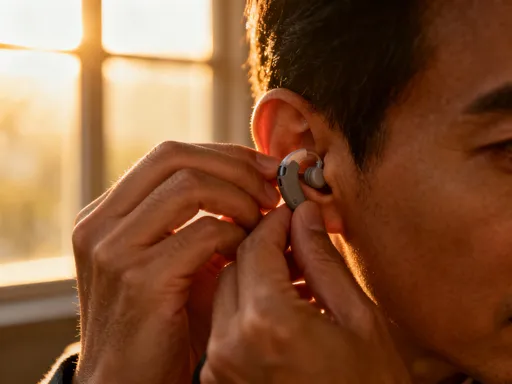
I never thought a trip to the audiologist would spark a total financial reset. But when I finally got hearing aids, the cost made me rethink everything—how I value health, plan for the future, and invest in quality of life. It wasn’t just a medical purchase; it became one of the smartest financial decisions I’ve ever made. This is how a simple health upgrade reshaped my entire investment mindset. What began as a reluctant response to fading hearing evolved into a profound lesson in long-term value, risk management, and the true meaning of wealth. The device I once saw as a luxury turned out to be a cornerstone of financial wisdom, teaching me that the most overlooked assets are often the ones that support our ability to earn, connect, and live fully.
The Moment That Shifted My Perspective
The turning point came during a routine check-up, when my doctor gently suggested I see an audiologist. I had been missing parts of conversations, turning up the TV volume, and nodding along in meetings without catching every word. At first, I dismissed it as a normal part of aging. But the test results were clear: moderate hearing loss in both ears. The audiologist presented a few hearing aid options, and my first reaction was shock at the price—several thousand dollars, even with partial insurance coverage. That number loomed large in my mind, not just as a cost, but as a decision point. Was this something I could delay? Could I manage without it?
Yet, as I sat with the quote in hand, I began to see beyond the sticker price. This wasn’t a gadget or a convenience; it was a tool that would affect my daily functioning, my relationships, and my ability to stay engaged at work. I realized that by not acting, I was risking more than muffled sound—I was risking isolation, miscommunication, and a gradual withdrawal from life. The moment I reframed the hearing aids not as an expense but as an investment in my human capital, my entire financial perspective shifted. It wasn’t about spending money; it was about preserving value. I was investing in my ability to hear my grandchildren’s laughter, to follow discussions at family dinners, and to remain confident in professional settings. That shift—from cost to value—was the first step in a broader financial awakening.
Rethinking “Investment” Beyond Stocks and Real Estate
When most people think of investing, they picture stock portfolios, retirement accounts, or perhaps real estate holdings. These are traditional, measurable forms of wealth accumulation. But true financial health isn’t just about growing a balance sheet—it’s also about protecting the foundation on which that wealth depends. For many, especially as they age, the most critical investments aren’t in markets but in themselves. A hearing aid, a mobility device, or a vision correction procedure may not appear on a net worth statement, but they directly influence a person’s capacity to earn, contribute, and enjoy life.
This broader definition of investment challenges the conventional mindset. Instead of asking, “Will this make me money?” we should also ask, “Will this preserve my ability to make and keep money?” Hearing aids, for instance, support cognitive function, reduce the risk of social withdrawal, and enhance job performance. Research from institutions like Johns Hopkins has shown that untreated hearing loss is linked to higher rates of depression, falls, and even dementia—conditions that carry significant medical and caregiving costs over time. By addressing hearing loss early, individuals may avoid far greater expenses down the road. In this light, the hearing aid isn’t a medical cost; it’s a preventive measure with long-term financial benefits. Viewing health expenditures through this lens allows for more strategic, forward-thinking financial planning.
Moreover, this shift encourages a more holistic approach to personal finance. Rather than segregating health spending from investment planning, savvy individuals begin to integrate the two. Just as one diversifies a portfolio to manage risk, one can diversify financial priorities to include health-preserving assets. This doesn’t mean overspending on medical devices, but rather making intentional, evidence-based choices that align with long-term well-being and financial stability. The result is a more resilient financial life—one that accounts not just for market fluctuations, but for the physical and mental capabilities that underpin earning potential and quality of life.
The Hidden ROI of Preventive Health Spending
Return on investment, or ROI, is a term typically reserved for business ventures or stock purchases. But the concept applies equally to health decisions, even if the returns aren’t measured in quarterly dividends. The ROI of a hearing aid, for example, unfolds over years and manifests in improved relationships, job security, and mental health. While the initial cost may seem high, the long-term savings and benefits often outweigh it significantly. Consider the alternative: untreated hearing loss has been associated with a 50% increased risk of dementia over a decade, according to studies published in medical journals like The Lancet. The financial burden of dementia care can reach hundreds of thousands of dollars, not to mention the emotional toll on families.
Beyond cognitive risks, hearing loss impacts employment. A study by the National Council on Aging found that individuals with untreated hearing loss earned less on average and were less likely to be promoted. In professional environments, missing key details in meetings or misinterpreting instructions can lead to errors, reduced productivity, and even job loss. For someone nearing retirement, staying employed a few extra years can make a substantial difference in retirement savings. A hearing aid, in this context, isn’t just a medical device—it’s a career preservation tool. The ability to communicate clearly, respond appropriately, and remain engaged in workplace conversations directly supports income stability.
Socially, the benefits are equally compelling. Hearing loss often leads to withdrawal from gatherings, family events, and community activities. Over time, this isolation can contribute to depression and anxiety, which in turn increase healthcare utilization and medication costs. By restoring the ability to participate fully, hearing aids help maintain social networks that provide emotional support and reduce reliance on formal care systems. The financial implications of this are indirect but real: fewer doctor visits, lower medication use, and reduced need for assisted living services later in life. When all these factors are considered, the hearing aid emerges not as a cost, but as a high-value intervention with compounding returns across health, social, and financial domains.
Risk Management: Why Health Investments Are Insurance, Not Luxury
Every sound financial plan includes risk management strategies—emergency funds, insurance policies, diversified investments. These tools exist to protect against unexpected events like job loss, accidents, or market downturns. Yet one of the most predictable risks—declining health with age—is often treated as optional or secondary. This is a critical oversight. Health-related devices like hearing aids serve a dual purpose: they enhance current functioning and reduce future financial exposure. In this way, they function much like insurance, but with the added benefit of immediate utility.
Think of a hearing aid as a form of self-insurance. While health insurance covers medical treatments, it rarely eliminates out-of-pocket costs, and it doesn’t compensate for lost wages or diminished quality of life. A hearing aid, by contrast, helps prevent those losses before they occur. It reduces the likelihood of accidents caused by miscommunication, supports cognitive health, and maintains independence—all of which lower the probability of expensive interventions later. For example, individuals with untreated hearing loss are more likely to experience falls, which are a leading cause of hospitalization among older adults. The average cost of a fall-related hospital stay can exceed $30,000. Preventing even one such incident can justify the cost of a hearing aid many times over.
Moreover, treating health devices as optional luxuries ignores the reality of compounding consequences. Small deficits in hearing or vision may seem manageable at first, but they accumulate over time, leading to larger problems that are more costly to address. Delaying care often results in higher treatment costs, reduced treatment effectiveness, and greater dependency on others. By investing early in tools that support health and independence, individuals take control of their risk profile. This is not indulgence—it is prudent financial planning. Just as one wouldn’t skip home insurance to save money, one shouldn’t neglect health-preserving investments that protect earning potential, reduce future liabilities, and maintain autonomy.
How to Evaluate High-Cost Medical Devices Like an Investor
Not all hearing aids are created equal, and neither are their long-term value propositions. Making a smart financial decision requires more than comparing sticker prices—it demands an investor’s mindset. This means evaluating durability, service support, upgrade paths, and total cost of ownership over time. A cheaper model may save money upfront but require frequent repairs or become obsolete within a few years. A higher-quality device, though more expensive initially, may offer better performance, longer lifespan, and compatibility with future technologies, resulting in lower annual costs over its lifetime.
One useful framework is to calculate the cost per year of use. For example, a $4,000 hearing aid that lasts eight years costs $500 per year. A $2,500 model that lasts only three years costs over $830 per year—nearly 70% more on an annual basis. This simple calculation reveals that the more expensive option may actually be the more economical one. Additionally, features like noise reduction, Bluetooth connectivity, and rechargeable batteries can enhance usability and reduce long-term expenses, such as battery replacements or the need for assistive devices.
Another consideration is the level of support provided by the provider. Some audiologists offer comprehensive follow-up care, adjustments, and cleaning services, which can extend the device’s life and effectiveness. Others may offer limited support, leaving the user to manage issues independently. From an investment standpoint, ongoing support increases the likelihood of successful adoption and sustained benefit. Similarly, choosing a device with software upgradability allows for performance improvements without replacing the entire unit, much like updating a computer rather than buying a new one. These factors may not be immediately visible, but they significantly influence the long-term return on investment.
Finally, it’s important to consider personal lifestyle and needs. A retired individual who spends most of their time at home may not need the most advanced features, while a professional who attends frequent meetings or travels often may benefit greatly from superior sound processing and connectivity. Matching the device to the user’s life ensures that the investment delivers maximum value. By applying these investor principles—assessing total cost, durability, support, and alignment with needs—individuals can make more informed, financially sound decisions about high-cost medical devices.
Integrating Health Assets into Your Broader Financial Strategy
Once you begin to view medical devices as long-term assets, the next step is integrating them into your overall financial plan. This means treating health investments with the same level of intentionality as retirement savings or home maintenance. One of the most effective tools for this is the Health Savings Account (HSA), available to those with high-deductible health plans. HSAs offer triple tax advantages: contributions are tax-deductible, growth is tax-free, and withdrawals for qualified medical expenses are also tax-free. Using an HSA to fund a hearing aid purchase allows individuals to pay for the device with pre-tax dollars, effectively reducing the net cost by 20% or more, depending on tax bracket.
Beyond tax advantages, incorporating health assets into budgeting and savings goals ensures they are not treated as emergencies but as planned investments. This might involve setting aside a specific amount each month in a dedicated health fund, similar to a car or home repair fund. By forecasting major health-related expenses—such as hearing aids, dental work, or vision correction—individuals can avoid dipping into emergency savings or using high-interest credit. This proactive approach aligns with sound financial principles: anticipate needs, plan ahead, and allocate resources wisely.
Additionally, health investments should be considered in the context of retirement planning. As people live longer, maintaining independence becomes a key financial objective. Devices that support hearing, mobility, or vision can delay or prevent the need for assisted living, home health aides, or long-term care—services that can cost tens of thousands of dollars per year. By investing in health-preserving tools earlier, individuals may reduce or avoid these future costs, preserving more of their retirement savings for other goals. This integration creates a more comprehensive, resilient financial strategy that accounts for both market risks and personal health risks.
A Smarter Mindset for the Future: Investing in Yourself
The most profound change brought about by my hearing aid wasn’t financial—it was philosophical. It taught me that wealth is not just a number in a bank account, but the ability to live fully, connect meaningfully, and remain capable over time. The best returns on investment are not always monetary. Sometimes, they come in the form of a grandchild’s whispered secret, a song heard clearly for the first time in years, or the confidence to speak up in a meeting. These intangible benefits are no less valuable for being hard to quantify.
This mindset shift—from viewing health spending as a cost to seeing it as a core component of financial strategy—has lasting implications. It encourages a more balanced, sustainable approach to money management, where self-care and long-term well-being are not afterthoughts but priorities. It challenges the notion that frugality means cutting every expense, and instead promotes wise allocation—spending where it matters most to preserve health, dignity, and independence.
Looking ahead, this principle applies far beyond hearing aids. Whether it’s investing in ergonomic furniture to prevent back pain, taking preventive health screenings, or funding fitness programs, the same logic holds: small, strategic health investments today can yield significant financial and personal returns tomorrow. The most advanced investment strategy isn’t found in complex algorithms or market timing—it begins with taking care of yourself. Because in the end, the greatest asset you have is not your portfolio, but your ability to enjoy it. By aligning financial decisions with health and well-being, you build not just wealth, but a life worth living.