How I Turned Old Coins Into a Smart Financial Move – A Real Collector’s Journey
What if the spare change in your drawer could be worth more than its face value? I started coin collecting not for profit, but curiosity—and stumbled into a powerful form of financial planning. It wasn’t about quick gains, but patience, knowledge, and strategy. This isn’t a get-rich-quick story; it’s how I learned to see value differently, avoid costly mistakes, and build a tangible asset over time. What began as a simple act of sorting through an old jar of coins became a journey of financial awareness, discipline, and quiet confidence. I discovered that value often hides in plain sight, and with the right approach, even modest collections can grow into meaningful resources. This is the story of how a seemingly small hobby evolved into a thoughtful, long-term financial decision.
The Unexpected Start: How Coin Collecting Found Me
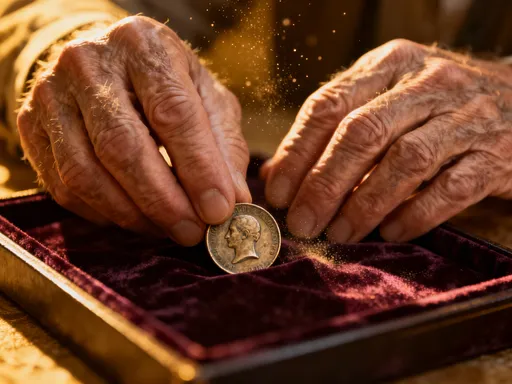
It began with a dusty glass jar from my grandfather’s attic—filled with decades of spare change, forgotten birthday gifts, and coins from places long since closed. I wasn’t a numismatist, nor did I have any interest in finance at the time. I was simply cleaning out the house after his passing, trying to make sense of the life he left behind. As I sifted through the jumble of pennies, dimes, and quarters, one coin stood out: a 1945 Mercury dime, its surface worn but its design still clear. Something about it felt different. I turned it over in my hand, noticing the delicate winged Liberty head, the date barely legible, and a small 'S' mint mark near the bottom.
Out of curiosity, I took it to a local coin shop. The dealer examined it under a loupe, asked a few questions, and then told me it wasn’t particularly rare—but it was in better condition than most he’d seen from that year. He offered me a modest sum, more than face value but not life-changing. What struck me wasn’t the money, though. It was the idea that a coin could carry hidden worth simply because of its age, origin, or survival in decent shape. That moment sparked a quiet fascination. I began reading books, visiting libraries, and exploring online forums dedicated to coin collecting. I learned about minting processes, historical context, and the subtle factors that separate common coins from valuable ones.
Over time, I realized this wasn’t just about old money—it was about preservation, patience, and pattern recognition. Unlike the stock market, where values fluctuate by the minute, coins offered something tangible and enduring. They couldn’t crash in a digital flash or vanish in a corporate scandal. They were physical, finite, and in some cases, irreplaceable. I began to see coin collecting not as a nostalgic pastime, but as a form of asset diversification. It didn’t replace my retirement accounts or emergency fund, but it complemented them. It gave me a different kind of financial security—one rooted in knowledge, careful selection, and long-term thinking.
What Makes a Coin Valuable? Beyond Face Value
One of the most important lessons I learned early on is that face value means almost nothing when it comes to collectible coins. A shiny new dollar coin might be worth exactly one dollar, while a worn 1909-S VDB Lincoln cent could be worth hundreds. The difference lies in four key factors: rarity, condition, historical significance, and metal composition. These elements work together to determine a coin’s true market value, and understanding them is essential for anyone considering coins as part of a financial strategy.
Rarity is perhaps the most intuitive factor. Coins that were minted in limited quantities—due to short production runs, regional mints, or special circumstances—are naturally more desirable. For example, the 1916-D Mercury dime had a mintage of just over 264,000, making it significantly rarer than other dimes from the same era. But rarity alone isn’t enough. A rare coin in poor condition may still have limited value. That’s where condition comes in. The numismatic grading system, which ranges from Poor (PR-1) to Perfect Uncirculated (MS-70), provides a standardized way to assess wear, luster, and surface quality. A coin graded MS-65 or higher can command exponentially higher prices than the same coin in lower grades.
Historical significance also plays a role. Coins tied to major events—such as the 1932 Washington quarter, issued to commemorate George Washington’s 200th birthday—often carry added appeal. Similarly, error coins—those with double strikes, off-center minting, or wrong planchets—can become valuable due to their uniqueness. I once acquired a 1955 doubled die cent, a well-known variety caused by a misaligned die during striking. Though it wasn’t in pristine condition, its historical notoriety made it a solid addition to my collection.
Finally, metal composition matters. Many older U.S. coins were minted in silver or copper before the government switched to cheaper alloys. For instance, dimes, quarters, and half-dollars minted before 1965 contain 90% silver, giving them intrinsic melt value beyond their collectible worth. Even if a coin isn’t rare or in perfect condition, its silver content can provide a baseline floor for value. This dual nature—collector demand plus metal content—makes certain coins a resilient asset, especially during periods of inflation or economic uncertainty.
Building a Strategy: From Random Finds to Purposeful Collection
In the beginning, I collected whatever caught my eye—foreign coins from travel, commemorative issues from the U.S. Mint, and anything labeled 'rare' at estate sales. My collection grew quickly, but without focus, it lacked coherence and long-term growth potential. I had coins from different countries, eras, and metals, but no clear direction. It wasn’t until I started tracking my purchases and researching market trends that I realized I needed a strategy. Without one, I was just accumulating objects, not building an asset.
I decided to shift from random collecting to purposeful acquisition. I began by defining themes that aligned with both my interests and market demand. One of my first focused collections centered on U.S. silver coinage from 1900 to 1964—a period that included Mercury dimes, Walking Liberty half-dollars, and Washington quarters. These coins were widely available, had strong silver content, and were popular among collectors, making them a relatively safe entry point. I also started prioritizing quality over quantity, aiming for coins graded MS-63 or higher whenever possible. This meant passing up cheaper, worn examples in favor of better-preserved ones, even if they cost more upfront.
I also began tracking acquisition costs, keeping a simple spreadsheet that listed each coin’s purchase price, date, grade, and estimated current value. This allowed me to monitor growth over time and make informed decisions about buying and selling. I set budget limits for each acquisition, avoiding emotional purchases driven by excitement or fear of missing out. Over time, this disciplined approach helped me build a collection that wasn’t just personally meaningful, but financially sound.
Another key part of my strategy was education. I joined a local coin club, attended regional shows, and subscribed to numismatic publications. These resources helped me stay informed about market trends, grading updates, and emerging opportunities. I learned to recognize reputable dealers, spot overpriced listings, and understand the nuances of auction bidding. Most importantly, I learned when to walk away. Not every coin that looks valuable actually is, and not every deal is as good as it seems. By combining passion with practicality, I transformed my hobby into a structured, goal-oriented pursuit.
Where to Buy and Sell: Navigating the Market Without Getting Burned
One of the biggest challenges in coin collecting is knowing where to buy and sell safely. Early on, I made the mistake of buying coins at flea markets and unverified online auctions. I once paid $120 for a coin advertised as a 'rare 1921 Peace dollar,' only to learn later it was a common date in average condition—worth closer to $30. That experience taught me the importance of due diligence. The coin market, while legitimate, is not without risks. Misrepresentation, counterfeits, and inflated prices are real concerns, especially for newcomers.
I learned to rely on reputable sources. Certified coin dealers affiliated with organizations like the Professional Numismatists Guild (PNG) or the American Numismatic Association (ANA) provided a higher level of trust. These dealers often offer guarantees of authenticity and fair pricing. I also began using third-party grading services like PCGS (Professional Coin Grading Service) and NGC (Numismatic Guaranty Company). Coins graded and encapsulated by these firms come with a certificate of authenticity and a permanent holder, reducing the risk of tampering or misrepresentation.
Auctions—both live and online—became another valuable channel. Major auction houses like Heritage Auctions and Stack’s Bowers offer transparent bidding, detailed descriptions, and expert authentication. While prices can be competitive, the level of documentation and provenance is usually excellent. I found that setting a maximum bid and sticking to it helped me avoid overpaying, even in the heat of bidding.
When it came to selling, I discovered that timing and platform mattered. Selling too quickly meant missing out on appreciation; waiting too long could mean missing peak demand. I started by listing coins on specialized marketplaces like eBay’s coin section, but only after having them graded and photographed professionally. I also explored consignment with auction houses, which allowed me to reach serious collectors without handling logistics myself. The key was patience and preparation—knowing the market, understanding buyer expectations, and presenting coins in the best possible light.
Storage, Insurance, and Long-Term Protection
Coins may seem durable, but they are vulnerable to damage, theft, and environmental factors. I learned this the hard way when a minor plumbing leak in my home caused humidity to rise in the room where I stored my collection. Several coins developed toning and surface corrosion—damage that significantly reduced their value. That incident was a wake-up call. I realized that protecting my investment wasn’t just about buying the right coins; it was about preserving them properly.
I invested in high-quality storage solutions. I moved my coins from paper flips and cardboard albums to hard plastic holders known as 'slabs,' especially for graded coins. For ungraded pieces, I used inert plastic flips and stored them in airtight containers with silica gel packs to control moisture. I also purchased a fireproof safe with a humidity control system, keeping it in a climate-stable part of the house. For larger collections, I considered renting a safe deposit box at a bank—a more secure option, though less convenient for regular access.
Insurance was another critical step. Standard homeowner’s insurance often doesn’t cover collectibles beyond a low threshold, and may require additional riders. I consulted an insurance agent who specialized in personal property and scheduled my coin collection as a separate item. This required documentation—photos, appraisals, purchase receipts, and grading certificates—but it provided peace of mind. In the event of loss or damage, I would be compensated based on the collection’s appraised value, not just its replacement cost.
Security measures also evolved. I avoided discussing my collection publicly, limited who knew about it, and never posted photos of rare coins on social media. I also backed up my inventory records in a secure cloud storage system, ensuring I could reconstruct the collection’s history if needed. These steps may seem excessive, but for a growing financial asset, they were essential. Preservation isn’t just about physical care—it’s about protecting the value you’ve worked so hard to build.
When and How to Cash In: Turning Passion Into Profit
Selling a coin collection can be emotionally complex. These aren’t just assets—they’re pieces of history, memories, and years of effort. I struggled with this when I first considered liquidating part of my collection. I had held onto certain coins for over a decade, watching their value grow. Letting go felt like losing a part of myself. But I also recognized that financial flexibility matters. The ability to convert a tangible asset into usable cash can support major life goals—home repairs, education, or retirement income.
I learned to approach selling with strategy, not sentiment. I started by identifying which coins had appreciated the most and were in high demand. I used price guides like the Red Book and recent auction results to estimate fair market value. I also consulted with trusted dealers to get buy-sell spreads and understand current trends. One key insight: the market for rare coins tends to move in cycles, often tied to broader economic conditions. During periods of high inflation or stock market volatility, demand for tangible assets like silver and rare coins often increases.
I chose to sell in stages rather than all at once. This allowed me to test the market, avoid flooding it with supply, and take advantage of favorable conditions over time. I also became aware of tax implications. In the U.S., collectibles are subject to a long-term capital gains tax rate of up to 28%, which is higher than the rate for stocks and bonds. By holding coins for more than a year, I qualified for long-term treatment, minimizing the tax burden. I kept detailed records of purchase dates, costs, and sale prices to ensure accurate reporting.
The most important lesson was timing. I once held onto a 1916-D Mercury dime too long, missing a peak in demand. Another time, I sold a silver set too quickly during a short-term dip. Over time, I developed a better sense of market rhythm—watching auction results, dealer inventories, and collector forums to gauge interest. Selling wasn’t about maximizing every dollar; it was about making thoughtful, informed decisions that aligned with my financial goals.
Coin Collecting as Financial Planning: The Bigger Picture
Looking back, my journey with coin collecting has been about far more than profit. It has shaped the way I think about money, risk, and long-term planning. In a world of digital transactions and volatile markets, coins offered something steady and real. They taught me to look beyond headlines, to value patience over impulse, and to appreciate the power of incremental growth. What started as a curious discovery in an old jar became a cornerstone of my financial resilience.
Coin collecting fits naturally into a diversified financial plan. It’s not a replacement for retirement accounts or emergency savings, but a complementary asset class—one that behaves differently from stocks and bonds. During market downturns, when paper assets lose value, tangible collectibles can hold or even increase in worth. They also offer a hedge against inflation, especially coins with intrinsic metal value. Over the past two decades, the price of silver has risen significantly, boosting the floor value of many older U.S. coins.
Beyond the financial benefits, this hobby has deepened my sense of responsibility. Managing a collection requires research, organization, and discipline—skills that translate directly to personal finance. I’ve become more cautious about spending, more deliberate in decision-making, and more aware of long-term consequences. I’ve also shared this knowledge with my family, using the collection as a teaching tool for budgeting, saving, and understanding value.
For women in particular—especially those managing household finances or planning for retirement—coin collecting offers a unique opportunity. It’s accessible, educational, and empowering. You don’t need a finance degree or a large initial investment to begin. With careful selection and consistent effort, even a modest collection can grow into a meaningful resource. And unlike speculative investments, it carries a sense of purpose and legacy. These coins are not just assets—they are stories, history, and a quiet testament to thoughtful stewardship.
In the end, my story isn’t about getting rich. It’s about gaining clarity. It’s about learning to see value not just in numbers, but in knowledge, care, and intention. Coin collecting didn’t change my life overnight, but it changed the way I move through it—with more confidence, more patience, and a deeper understanding of what it means to build something lasting.