After Using Document Collaboration Apps for Work, I Slept 2 Hours More Each Night
You know that restless feeling when you're tired but your mind won’t shut down? I used to lie awake, worrying about unfinished tasks and messy team projects. Then I discovered something unexpected: the same apps I used for work were quietly transforming my sleep. It wasn’t magic—it was better organization, clearer communication, and less mental clutter. Turns out, when your work life feels under control, your body finally knows it’s safe to rest. And that’s when everything changed—not just my productivity, but my peace, my energy, and even the quality of my sleep.
The Sleepless Nights Behind a Seemingly Productive Life
For years, I wore my busyness like a badge of honor. I was the one sending emails at 10 p.m., juggling five versions of the same report, and trying to keep track of who said what in which thread. My calendar was packed, my to-do list endless, and my sense of accomplishment? Faint at best. But what really took a toll wasn’t the workload—it was the mental noise. Night after night, I’d climb into bed, exhausted, only to feel my brain kick into high gear. Did I miss that comment? Did someone make a change I didn’t see? Is the final version actually final? These weren’t just work questions—they were bedtime anxieties that kept me from drifting off.
I remember one particularly rough week when a major project was due. I’d stayed late, sent what I thought was the final draft, and gone home relieved. But around midnight, I got an email: 'This isn’t the right version.' My heart sank. I scrambled to find the correct file, only to realize we’d been working in parallel, making changes in different documents. No one had synced. The mistake cost us time, client trust, and my peace of mind. That night, I stared at the ceiling, replaying every misstep. I wasn’t just tired—I was mentally drained. And I started to wonder: was all this effort actually making me more productive, or just more stressed?
It hit me then—my tools weren’t helping me work better. They were making it harder to let go. Every file, every email, every message was a loose thread my brain refused to drop. I needed something that didn’t just store information, but brought clarity. I didn’t know it yet, but the solution was already in my tech toolkit—I just hadn’t used it the right way.
A Small Shift: From Chaos to Clarity with Real-Time Editing
The turning point came when a colleague invited me to edit a document together in real time. I’ll admit—I was skeptical. I thought, How can we both work on the same file without making a mess? But within minutes, I saw the difference. Instead of emailing attachments back and forth, we were typing side by side, seeing changes as they happened. No more confusion about who had the latest version. No more opening five files named 'final_v3_REALLYfinal.doc.' Just one live document, clear and current.
At first, I kept refreshing, half-expecting something to go wrong. But nothing did. The more we used it, the more natural it felt. I could see my teammate’s cursor moving, adding a sentence here, adjusting a heading there. It wasn’t intrusive—it was reassuring. I knew exactly what was happening, in real time. And that simple shift—from chasing versions to sharing a single source of truth—had a surprising side effect: my mind started to quiet down.
That night, for the first time in weeks, I fell asleep quickly. I realized something profound: my insomnia wasn’t just about being busy. It was about uncertainty. When I didn’t know if I had the right file, or if my work was up to date, my brain stayed alert, scanning for threats. But with everything in one place, visible and updated, that alertness faded. I didn’t have to remember everything because the system remembered for me. And that sense of control—of knowing where things stood—was exactly what my nervous system needed to relax.
Comments That Calm: How Asynchronous Feedback Reduced My Anxiety
Feedback used to be my biggest stress trigger. I’d sit in meetings, heart racing, waiting for someone to critique my work. Even a simple suggestion could feel like a personal failure. I’d leave the room replaying every word, wondering if I was good enough. And those thoughts? They followed me home, circling in my head long after the workday ended.
Then I started using comment threads in our shared documents. At first, I braced myself when I saw a red comment bubble. But I quickly noticed something different: the feedback was specific, tied to a sentence or paragraph, not a sweeping judgment. My manager wrote, 'Can we clarify this point?' instead of saying, 'This section isn’t clear.' The tone was collaborative, not critical. And best of all—I didn’t have to respond right away. I could read it, think about it, and reply when I was ready.
This changed everything. Because the feedback was written, not spoken, it lost its emotional charge. I could read it calmly, without the pressure of a live reaction. I wasn’t defending myself on the spot. I was reflecting, learning, improving. And because the comments stayed in the document, I could refer back to them, track progress, and see how my work evolved. No more trying to remember what someone said in a meeting three days ago.
But the real gift was how this affected my nights. I stopped lying awake replaying conversations. The feedback was documented, resolved, and stored. It wasn’t floating in my mind, waiting to ambush me at bedtime. My anxiety dropped. My breathing slowed. And slowly, my sleep deepened. I realized that emotional safety at work—knowing feedback was kind, clear, and manageable—was just as important as the work itself.
Shared Checklists: Turning Overwhelming Projects into Peaceful Progress
One of the heaviest burdens I carried wasn’t the work itself—it was the mental load of remembering who was doing what. I’d wake up thinking, Did Sarah send the client email? Is the budget approved? Who’s handling the presentation slides? I wasn’t just managing tasks—I was managing memory. And that constant mental tracking was exhausting.
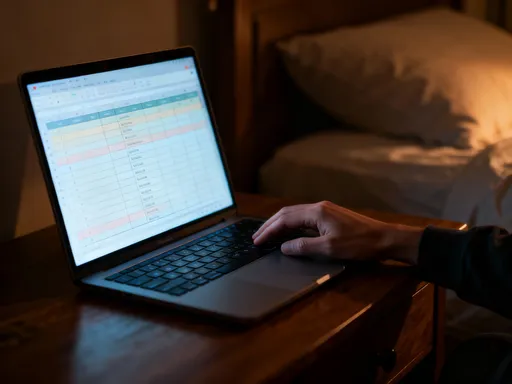
Then we started embedding shared checklists directly into our documents. Every project had a section with clear tasks, assigned owners, and due dates. When someone completed a task, they’d check the box. And here’s the magic: I could see it happen in real time. No more follow-up emails. No more guessing. Just a quiet sense of progress.
One evening, I opened a document and saw that three boxes had been checked since I last looked. I didn’t jump up to do anything. I just smiled and closed my laptop. For the first time, I felt trust—not just in my team, but in the system. I didn’t need to micromanage because the checklist showed me everything was moving forward. That release of mental load was like taking off a heavy backpack I’d forgotten I was wearing.
This didn’t just make my days smoother—it transformed my evenings. I stopped bringing my to-do list to bed. I didn’t need to. The checklist lived in the document, visible and updated. My brain could finally rest because it didn’t have to hold everything. And that sense of shared responsibility? It didn’t weaken my control—it strengthened it. True control wasn’t about doing everything myself. It was about seeing progress, trusting the process, and knowing I could step away without things falling apart.
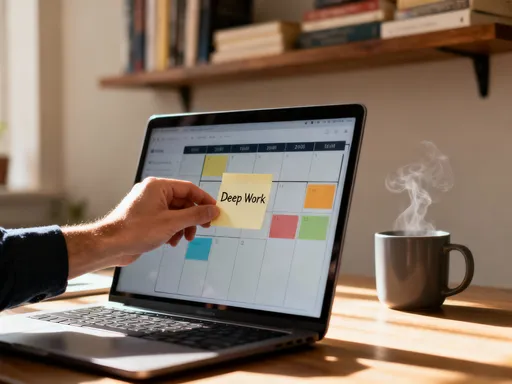
Scheduled Focus: How Version History Helped Me Let Go of Perfectionism
I used to be a perfectionist. I’d tweak a sentence five times, afraid it wasn’t quite right. I’d stay late to make 'just one more change.' I thought this was dedication. But really, it was fear—fear of making a mistake, fear of being judged, fear of not being enough. And that fear followed me into my personal time. I’d open my laptop at 9 p.m., convinced I needed to fix something before tomorrow.
Then I discovered version history. The app kept a record of every change, every edit, every save. I could go back to any point and see exactly what the document looked like. And that simple feature gave me freedom. I realized: I didn’t have to get it perfect now. If I made a mistake, I could undo it. If I wanted to try a bold rewrite, I could—and if it didn’t work, I could revert. The app had my back.
This changed how I worked—and how I rested. I stopped the late-night edits. I stopped obsessing over small details. I learned to say, This is good enough for now. And when I closed my laptop, I truly closed it. No nagging thoughts about unfinished tweaks. No guilt about leaving something imperfect. Because I knew the safety net was there.
My body noticed the difference. I started going to bed earlier. My sleep became deeper, more restful. I wasn’t just sleeping more—I was recovering. And I realized something important: perfectionism wasn’t helping me produce better work. It was stealing my energy, my time, and my peace. Letting go didn’t mean lowering standards. It meant trusting the process, trusting the tools, and trusting myself.
The Silent Benefit: Fewer Meetings, More Mental Space
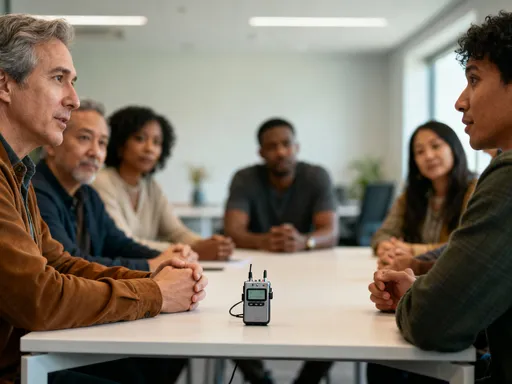
Before we used these collaboration tools, our week was packed with meetings. Status updates, feedback sessions, alignment calls—we had a meeting for everything. And while they seemed necessary, they were exhausting. Back-to-back calls left me drained, unable to focus, and carrying mental clutter into the evening.
But as our documents became more detailed and up to date, we realized we didn’t need most of those meetings. Why schedule an hour to discuss progress when everyone could just check the document? Why have a feedback session when comments were already there, clear and actionable?
We started replacing meetings with asynchronous updates. A quick note in the document. A checked box. A resolved comment. That was often enough. And the impact was huge. I reclaimed hours in my week. My focus improved because I wasn’t constantly switching contexts. And my evenings? They became truly mine.
No more mental residue from long calls. No more replaying what I said or should have said. Just quiet. Space. Time to breathe. And that mental space—freed from the constant buzz of meetings—gave me room to rest. I wasn’t just less busy. I was more present. At work, and at home. And that presence made all the difference.
From Work Tools to Life Helpers: Building a Calmer Mindset
Looking back, I realize these apps didn’t just change how I worked—they changed how I thought. The clarity, the trust, the sense of control they brought didn’t stay at my desk. They followed me home. I stopped carrying work stress into my personal time. I stopped waking up anxious about unfinished tasks. I slept better—not because I tried harder, but because I worried less.
And it wasn’t just about sleep. I had more energy during the day. I was more patient with my family. I had space to read, to walk, to just be. The tools that once felt like part of the problem became part of the solution. They didn’t add to my stress—they reduced it.
I’ve learned that technology isn’t inherently draining or distracting. It’s how we use it. When we choose tools that bring clarity instead of chaos, that support collaboration instead of competition, that reduce mental load instead of adding to it—we don’t just work better. We live better.
So if you’re lying awake tonight, mind racing with to-dos and uncertainties, I want you to know: it’s not just about doing more. It’s about organizing differently. It’s about using the tools you already have to create peace, not pressure. Because when your work feels under control, your body finally knows it’s safe to rest. And that rest? It’s not a luxury. It’s the foundation of everything else—your health, your joy, your life. And sometimes, it starts with something as simple as a shared document.