From Screen Strain to Family Harmony: How Eye Protection Apps Quietly Fixed Our Home Life
You know that tense feeling when everyone’s on their devices at dinner, no one’s talking, and your eyes are tired but you can’t look away? We’ve all been there. I used to think screen time was just inevitable—until I discovered a simple tool that changed everything. Not a drastic digital detox, not a family intervention—just a few smart eye protection apps that gently reshaped how we use our devices. This isn’t about cutting screens; it’s about making them work *with* our family life, not against it. What started as a small attempt to ease my headaches turned into a quiet revolution in how we connect, breathe, and simply *be* together. And honestly? I wish I’d tried it years ago.
The Unseen Tension: When Screens Pull Families Apart
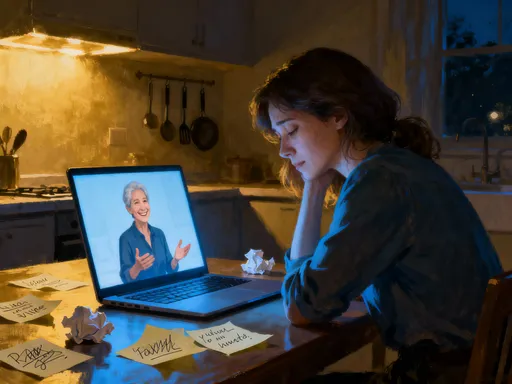
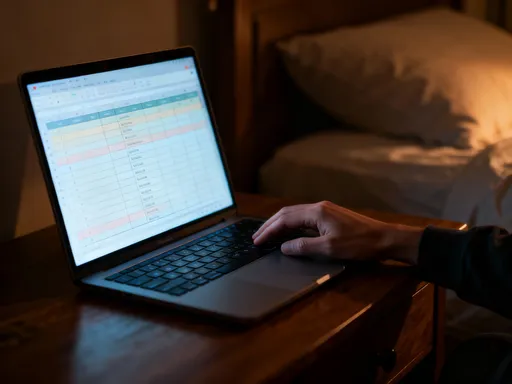
Picture this: it’s 7 p.m., the kitchen table is cleared, and dinner is over. My husband’s scrolling through the news, one eye on a work email. My daughter’s rewatching the same cartoon for the third time, her tablet balanced on her lap. My son’s lost in a game, fingers flying across the screen. And me? I’m halfway through a parenting blog, trying to figure out why no one’s talking. The house is quiet, but it doesn’t feel peaceful—it feels distant. Like we’re all in the same room, but living in separate digital worlds.
For months, I blamed myself. Was I not planning fun enough dinners? Was I too tired to engage? But then one night, I caught my reflection in the dark TV screen—tired eyes, furrowed brows, shoulders up near my ears. I realized something: we weren’t just emotionally disconnected. We were physically drained. Our eyes were strained, our brains overstimulated, and our bodies tense from hours of screen exposure. And that fatigue? It was making us irritable, impatient, and less present with each other.
It wasn’t that we loved our devices more than each other. It was that we’d forgotten how to look up. We needed a pause—a real one, not just a forced ‘no screens’ rule that only created resistance. I started wondering: what if the same technology pulling us apart could actually help bring us back together? That’s when I stumbled upon eye protection apps, and honestly, I didn’t expect much. But what happened next surprised me in the best way.
A Small Fix That Sparked Big Change
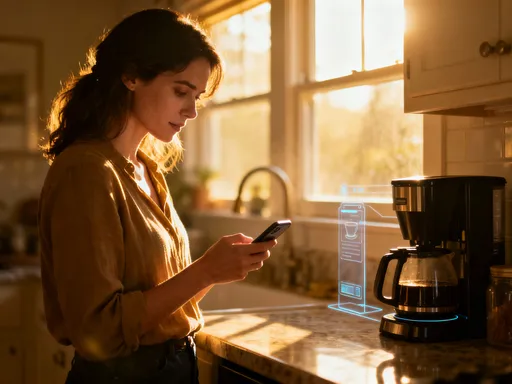
I found the first app by accident—buried in a wellness newsletter about reducing digital fatigue. It was called something simple, like EyeCare or ScreenPause, nothing flashy. The idea was basic: remind you to take breaks, filter blue light, and help your eyes recover during long screen sessions. I installed it mostly out of curiosity, not because I thought it would change anything big.
But within days, something shifted. The app gave a soft chime every 20 minutes—just a gentle sound, like a tiny bell. At first, I ignored it. But after a few days, I started listening. I’d close my eyes for 20 seconds, look out the window, or just stretch my arms. And each time, something small but meaningful happened: I noticed the light outside. I heard my daughter laughing in the next room. I remembered to breathe deeply.
It wasn’t just about my eyes feeling better—though they did. My headaches faded. My vision felt clearer. But more than that, those little pauses became moments of awareness. I started seeing my family again. Not through the glow of a screen, but in real time. One evening, I even put my phone down during the reminder and walked over to my son. “What are you playing?” I asked. He looked up, surprised, and actually told me. We talked for five whole minutes—about pixels and power-ups, yes, but it was *talking*. Real conversation. And it started with a 20-second break.
That’s when it hit me: this app wasn’t just protecting my eyes. It was protecting my attention. My presence. My connection. And if it could do that for me, maybe it could do it for all of us.
How Eye Protection Apps Work Without Feeling Like Rules
Let’s be honest—most screen management tools feel like nagging. You get pop-ups saying ‘You’ve used 2 hours!’ or ‘Time to stop!’ and it just makes you want to ignore them more. But eye protection apps are different. They’re not about control. They’re about care. Think of them like a kind coworker who gently says, ‘Hey, you’ve been staring at that screen for a while. Maybe blink a few times?’ No judgment. No guilt. Just a soft nudge toward better habits.
Technically, these apps use a few smart features. First, they follow the 20-20-20 rule—a well-known eye health tip that says every 20 minutes, you should look at something 20 feet away for at least 20 seconds. The app tracks your usage and reminds you when it’s time. Some even dim the screen or shift it to a warmer tone to reduce blue light, which can interfere with sleep and strain your eyes over time.
Others include posture alerts—if your phone senses you’re hunched over, it might vibrate gently or show a little icon reminding you to sit up. None of this is aggressive. There’s no locking you out, no shaming messages. It’s all about awareness. And that’s the key. When a tool feels supportive instead of restrictive, you’re more likely to listen. It’s like having a tiny wellness coach living in your pocket, one who only speaks up when you really need it.
What I love most is how these apps meet you where you are. You don’t have to be perfect. You don’t have to stop using your phone. You just need to pause—briefly, gently, regularly. And in that pause, space opens up. Space to breathe. To notice. To reconnect. It’s not about rejecting technology. It’s about using it in a way that serves your health and your relationships, not drains them.
Turning Breaks Into Family Moments
One night, during my usual 8 p.m. eye break, I did something different. Instead of just closing my eyes, I said out loud, ‘Eye break time! Who wants to stretch with me?’ My daughter looked up, curious. My son paused his game. My husband lowered his tablet. And for 60 seconds, we all stood up, reached for the ceiling, rolled our shoulders, and laughed at how silly we looked.
It was such a small thing. But it felt big. After that, it became a habit. When the app chimed, someone would call out, ‘Break time!’ and we’d all pause—no matter what we were doing. Sometimes we’d do a quick stretch. Other times, we’d just look at each other and smile. Once, my son said, ‘I see three people I love,’ and my heart nearly melted. These weren’t long conversations or planned family activities. They were micro-moments—tiny pockets of presence in an otherwise busy day.
But here’s the thing: those micro-moments added up. Over time, we started anticipating the breaks. They became little rituals, like a mini family huddle. And because they were tied to something neutral—eye health—there was no pressure. No one felt forced. It wasn’t ‘Mom’s new rule.’ It was ‘the app’s reminder,’ which somehow felt easier to accept.
I began to see how technology, when used with intention, could actually support togetherness. These apps didn’t steal our time—they gave us back moments we didn’t even know we’d lost. And the best part? The breaks didn’t stop at eye care. They became invitations to check in. ‘How are you really doing?’ ‘Did you have a good day?’ ‘Can I hug you?’ All because we paused long enough to notice each other.
Compatibility Through Consistency, Not Control
One of the biggest surprises was how much better we all felt—not just in our eyes, but in our moods. Less eye strain meant less irritability. I noticed I wasn’t snapping as much when the kids asked for snacks right after dinner. My husband said he felt less tense in the evenings. Even the kids seemed calmer, like the constant screen stimulation wasn’t wearing them down as much.
What changed wasn’t our screen time—we still used our devices. What changed was our rhythm. By taking breaks at similar times, we synced up. It wasn’t forced. It wasn’t scheduled. But because we all had the app reminders, we naturally paused together. It was like breathing in and out as a family. No one had to lead. No one had to enforce rules. We just fell into a shared pace.
Some apps even let you sync break times across devices. You don’t have to use the same one, but you can set them to remind everyone at roughly the same intervals. We didn’t make it strict—sometimes one of us would skip a break, and that was okay. But the consistency created a sense of unity. It was subtle, but powerful. We weren’t just sharing a home. We were sharing a rhythm.
And that rhythm brought patience. It brought softness. It brought the kind of calm that makes space for laughter, for listening, for just being together without agenda. I realized we didn’t need to eliminate screens to reconnect. We just needed to build small, consistent pauses into our day—pauses that let us reset, refocus, and remember who we’re with.
Choosing the Right App for Your Family’s Flow
Not all eye protection apps are the same, and that’s a good thing. What works for one family might not work for another. The key is finding one that fits your lifestyle and personality. I tested a few before landing on the one we use now, and here’s what I learned.
Some apps are playful—great if you have younger kids. One I tried had little animations: a cartoon eye blinking, a sun setting, a character stretching. My daughter loved it. She’d say, ‘The eye is tired! We have to help!’ Another had customizable messages. Instead of ‘Take a break,’ I set it to say, ‘Time to hug someone!’ or ‘Look up—someone loves you.’ Those little touches made the reminders feel warm, not clinical.
For my husband, who’s more minimalist, we picked an app with a clean interface—no sounds, just a soft color shift on the screen. He didn’t want to be interrupted; he just wanted his eyes to feel better. And it worked. He didn’t even realize how much the blue light was bothering him until it was gone.
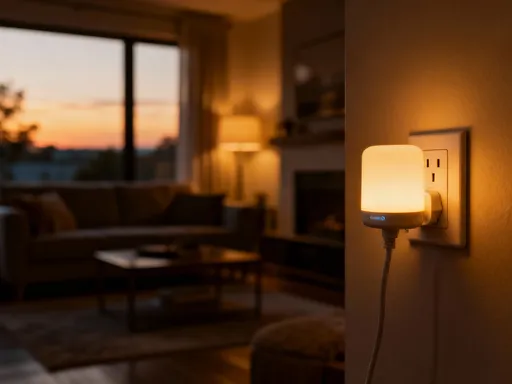
One of my favorite features? Apps that connect with smart home devices. Ours pairs with our living room lights, which gently shift to a warmer tone when break time starts. It’s like the whole room is inviting us to relax. You don’t need smart lights, of course, but it’s a nice touch if you have them.
The bottom line: choose an app that feels like a helper, not a taskmaster. Try a few. Let each family member pick their own settings. Make it personal. Because when the tool feels like it belongs to you, you’re more likely to stick with it. And that’s how small changes become lasting ones.
A Calmer Home, One Blink at a Time
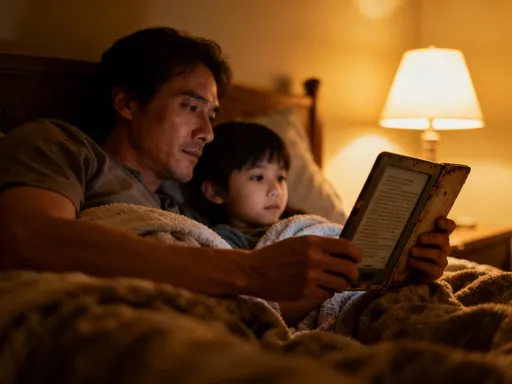
Looking back, I never thought an app could change the emotional temperature of our home. But it did. Our evenings are quieter, but in a good way. There’s more eye contact. More laughter. More of those unplanned, priceless moments—like my son telling a joke just because he saw I was free to listen.
The apps didn’t solve every challenge. We still have busy days, screen battles, and moments of disconnection. But now, we have a built-in reset button. A gentle reminder to look up, breathe, and reconnect. And over time, those reminders have rewired our habits in the best possible way.
I’ve come to see technology not as the enemy of family life, but as a potential ally—if we use it wisely. These eye protection apps didn’t take anything away. They gave us back something we didn’t even know we’d lost: presence. The ability to be in the same room and truly see each other. To feel rested, calm, and connected.
So if you’re feeling that familiar tension—the silence that isn’t peaceful, the togetherness that feels fragmented—try this small shift. Download an eye protection app. Set it up. Let it remind you to pause. And when it does, use that moment to look up, reach out, and breathe. You might be surprised how much a 20-second break can restore—not just your eyes, but your heart, your home, and your family’s harmony. Because sometimes, the quietest tools make the loudest difference.