I Cut My Weekly Errands by Half Using This AR App—Here’s How It Fits Into Real Life
Remember that Sunday when you drove three miles only to realize you forgot your shopping list—again? I’ve been there, more times than I’d like to admit. Between work, family, and trying to keep up with groceries, life felt like a never-ending loop of small tasks piling up. Then I found an AR app that quietly changed everything—not with flashy tech, but by making ordinary moments smarter. It didn’t replace my routine; it simplified it. Now, I walk into the store knowing exactly where to go, pack smarter, and even help my teen find lost items without the usual frustration. This isn’t about living in the future. It’s about making today a little easier.
The Overload of Small Tasks—Why Daily Routines Feel So Heavy
Let’s be honest—some days, just getting through the to-do list feels like running a marathon in slow motion. You wake up, pack lunches, answer work emails, remind someone to wear a jacket, and by the time you remember you’re out of coffee, it’s already 9 a.m. These aren’t big, dramatic moments. They’re tiny decisions, small gaps in planning, and constant mental check-ins that pile up until you’re exhausted. I used to joke that my brain had too many tabs open. But it wasn’t really a joke. I’d walk into the kitchen and forget why I was there. I’d start dinner and realize I didn’t have onions—again. And grocery shopping? That became a weekly battle of memory, mood, and mismatched lists.
What I didn’t realize at the time was that I was carrying what so many of us do: the invisible load. It’s not just about doing the tasks—it’s about remembering them in the first place. It’s tracking what’s running low, anticipating needs, and managing everyone’s schedules without dropping the ball. And for a long time, I thought this was just part of being a mom, a partner, a person who keeps the home running. But then I started wondering: what if it didn’t have to feel this heavy? What if there was a way to lighten the mental clutter without adding more apps that just beep at me? That’s when I discovered something that didn’t feel like another demand on my attention—but actually gave some of it back.
How Augmented Reality Became My Everyday Copilot
I’ll admit, when I first heard the term “augmented reality,” I thought of video games or those fun filters that put dog ears on your face. I didn’t see how it could help me find my keys or remember to buy laundry detergent. But then a friend mentioned she was using an AR app to organize her home, and I decided to give it a try. I downloaded it one quiet evening, not expecting much. But within minutes, I was tagging my coffee maker with a digital note that said “Buy filters next trip.” And when I walked into the kitchen the next morning, there it was—floating above the machine, clear as day.
That small moment surprised me. It wasn’t flashy. It wasn’t complicated. But it worked. For the first time, a reminder felt like it belonged in the space where I needed it—not buried in a phone notification I’d swipe away. The app uses your phone’s camera to overlay digital notes, labels, or checklists onto real-world objects. You “pin” them in place, and as long as you’re in the same room, they stay put. Think of it like leaving yourself sticky notes—but ones that don’t fall off, get lost, or blend into the background. I started small: tagging the pantry with a shopping list, marking the toolbox with a “needs oil” reminder, even placing a note on my coat that says “check gloves before winter outings.”
What changed wasn’t just efficiency—it was peace of mind. I wasn’t fighting my memory anymore. The app didn’t make me more responsible; it just made it easier to follow through. And the best part? It didn’t add to the noise. No alarms, no pop-ups. Just quiet, visual cues that showed up exactly where I needed them. It felt less like using technology and more like having a thoughtful assistant who already knew my habits.
Smarter Grocery Runs: From List Chaos to Store Confidence
Grocery shopping used to be my least favorite part of the week. I’d scribble a list on paper, lose it, rewrite it, forget half of it, and end up buying things I didn’t need just because they were on sale. I’d walk into the store already tired, and by the time I reached the dairy section, I’d be second-guessing everything. My kids would ask for snacks, I’d try to remember what we had at home, and the whole trip would stretch into an hour of stress instead of the 30 minutes it should’ve taken.
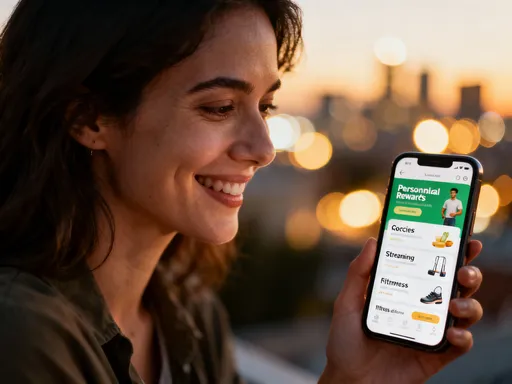
Then I started using the AR app in the store. Here’s how it works: before I leave the house, I scan my pantry with my phone. The app recognizes what’s low—milk, pasta, toilet paper—and adds them to my digital list. When I walk into the grocery store, I open the app, and it overlays my list onto the store layout. As I move down the aisles, it highlights where each item is located. Need oat milk? It shows me the exact shelf in the refrigerated section. Running low on dog food? It points me to the pet aisle, third row. I’m not guessing. I’m not retracing my steps. I’m just following the path.
One afternoon, I had to pick up my daughter right after school, and I knew I’d only have 20 minutes to grab a few essentials. I opened the app, and within three minutes, I’d found everything on my list. I didn’t wander. I didn’t forget. I even noticed a sale on the granola bars my son loves—because the app flagged it based on my past purchases. I walked out feeling calm, accomplished, and like I’d actually won a small victory. That’s not something I used to say about grocery shopping. But now? It’s become one of the easiest parts of my week.
Home Organization That Actually Sticks—No More “Where Did I Put That?”
We’ve all been there: searching for the scissors while holding a wrapped present, digging through drawers for the charger, or hearing “Mom, where are my cleats?” for the third time this week. I used to keep everything “organized” in labeled bins and neat shelves. But life happens. Things get borrowed, misplaced, or tucked away in “temporary” spots that somehow become permanent. The system would fall apart in a matter of days, and I’d be back to the same chaos.
What I love about using AR for home organization is that it doesn’t require perfection. It works with real life. Instead of fighting to keep everything in its place, I use the app to “tag” items where they are. When my son leaves his cleats by the back door, I open the app, point my phone at them, and pin a label: “Soccer cleats—grab before practice.” The next time he asks, I don’t have to search. I just check the app and say, “Look by the door—there’s a blue tag on them.” It’s like leaving a trail of digital breadcrumbs for myself and my family.
It’s especially helpful for things that move around—like chargers, jackets, or extra batteries. I tagged our camping flashlight last summer and forgot about it. When we were packing for a weekend trip months later, I opened the app and saw it was last seen in the garage, on the shelf near the toolbox. Sure enough, there it was. No digging. No stress. Just a quick visual reminder that saved us ten minutes of searching. And the best part? My kids started using it too. My daughter now tags her art supplies, and my son uses it to mark where he left his science project. It’s not about control—it’s about making life a little smoother for all of us.
Planning Family Events Without the Headache
Planning a birthday party used to send me into a spiral. I’d have ten browser tabs open—balloon vendors, cake ideas, playlist links—plus sticky notes all over the fridge. I’d sketch seating charts on napkins and still forget to buy enough plates. And when it came to setting up the backyard, I’d be guessing: “Will six chairs fit here? How many coolers do we need? Where should the table go?” It wasn’t just the work—it was the mental effort of holding it all together.
Then I tried using the AR app to plan my daughter’s last birthday. I opened it in the backyard and used the “layout” feature to project a digital version of the space. I added virtual chairs, a table, a speaker, and even a balloon arch. I could drag them around, resize them, and see how everything fit in real time. I adjusted the setup until it felt balanced and functional. Then I saved it. On the day of the party, I pulled up the plan and knew exactly where everything should go. No second-guessing. No last-minute rearranging.
But it didn’t stop there. I used the app to pack the car, too. I scanned the trunk and “placed” digital versions of everything we needed—chairs, table, decorations, food coolers. The app showed me what fit and what didn’t, so I knew to take a second trip for the big speaker. I didn’t forget a single thing. And when my husband asked, “Did we bring the extension cord?” I just checked the app and said, “Yes, it’s in the blue bin on the right.” No stress. No arguments. Just clarity. For the first time, planning felt fun instead of overwhelming. And when I saw my daughter laughing under the balloon arch—exactly where I’d pictured it—I realized how much easier it could be when you could see it before it happened.
Building Better Habits—AR as a Gentle Reminder System
We all want to build better habits—drink more water, take vitamins, water the plants, floss. But so many of us rely on phone alarms that we ignore or apps that feel like nagging. I tried them all. I’d set a reminder to water my herbs at 8 p.m., but I’d be in the middle of helping with homework and forget. Or I’d silence the alert and promise to do it “later”—which never came.
What changed was placing the reminder where the action happens. With the AR app, I pinned a floating note above my kitchen windowsill that says “Water me!” with a little sun icon. Now, every time I walk into the kitchen and see my herbs, I also see the note—right there in my line of sight. It’s not intrusive. It’s not loud. But it works. I’ve gone from forgetting for days to watering them like clockwork. I did the same with my vitamins—tagged the medicine cabinet with a soft chime reminder that only plays when I open the door. No more missed doses.
Even my teenager got on board. I showed him how to tag his backpack with a checklist: “Homework? Lunch? Jacket?” He rolled his eyes at first, but a week later, he told me he hadn’t forgotten his science notebook once. He even started using it to track his soccer gear. It’s not about discipline—it’s about designing your environment to support you. And when habits feel effortless, they actually stick. I’m not perfect. I still forget things. But now, the system helps me catch up before it becomes a problem.
Why This Isn’t Just Tech—It’s Peace of Mind
When I first started using this AR app, I thought it would just save me time. And it did—I cut my errands in half, packed smarter, and stopped making extra trips to the store. But what I didn’t expect was how much lighter I’d feel. It’s not just about efficiency. It’s about mental space. It’s about walking into a room and knowing where things are. It’s about planning an event without the anxiety. It’s about being present with my family instead of distracted by a to-do list in my head.
This isn’t about replacing human memory or turning our homes into sci-fi labs. It’s about using technology in a way that feels natural, supportive, and kind. It doesn’t demand attention. It gives it back. I’m not chasing tasks anymore. I’m not overwhelmed by the small stuff. And in a world that often feels too fast, too loud, too much—having a little more calm is priceless.
So if you’re tired of the mental load, if you’re ready to stop forgetting, and if you want to feel more in control without adding more pressure—give AR a try. Not for the sake of tech, but for the sake of peace. Because the best technology isn’t the one that wows you. It’s the one that quietly helps you breathe a little easier, one ordinary moment at a time.