Beyond Permission Prompts: How Smart App Controls Gave Me Back My Peace of Mind
Living in a world ruled by notifications and app demands, I once felt like my phone was controlling me—not the other way around. Ever tapped “Allow” without thinking, only to regret it later? I’ve been there. It started with a few too many location-based ads—“Coffee shops near you!” when I was just reading the news. Then came the battery drain, the random pop-ups, the eerie feeling that my phone was listening, watching, knowing. I didn’t change my habits overnight, but the moment I stopped ignoring those little permission prompts, everything shifted. What I discovered wasn’t just better security or longer battery life—it was peace of mind. And that, honestly, changed everything.
The Moment I Realized My Phone Wasn’t Mine Anymore
I remember exactly when it hit me. I was sitting at the kitchen table, sipping my morning tea, scrolling through a recipe app I’d downloaded the night before. Suddenly, a notification popped up: “Sarah, you’re near a grocery store with 20% off avocados.” My blood ran cold. I hadn’t searched for groceries. I wasn’t even near a store. How did it know where I was? And why was it calling me by name? That’s when it clicked—my phone wasn’t just a tool anymore. It had become a silent observer, tracking my movements, my habits, even my preferences, all because I’d mindlessly tapped “Allow” on permissions I didn’t understand.
It wasn’t just the location alerts. My battery was dying by noon, even though I wasn’t doing anything unusual. My photos kept syncing to places I didn’t recognize. And the ads—oh, the ads were relentless. I’d mention “carpet cleaner” in a conversation with my sister, and within hours, there it was, staring at me from my screen. Was it listening? I didn’t know. But I knew one thing: I felt like a guest in my own digital life. The frustration wasn’t just about tech—it was deeper. It was about losing control. About feeling watched in my own home. About the quiet anxiety that builds when you realize your phone knows more about you than you want it to.
That moment sparked something in me. I didn’t want to give up my phone—I loved the convenience, the connection, the way it helped me manage my family’s schedule, find recipes, and stay in touch with friends. But I wanted it to work for me, not against me. I started asking questions: Why does a weather app need my contacts? Why does a calculator need my location? Why does a flashlight app want access to my camera roll? These weren’t conspiracy theories—they were real, everyday choices I’d made without thinking. And once I started paying attention, I realized how much power I’d handed over, one “Allow” tap at a time.
What App Permissions Really Mean (And Why They Affect Your Daily Life)
Let’s break this down in a way that makes sense—no tech jargon, no confusing menus. Think of app permissions like keys to different rooms in your house. When you install a new app, it’s like someone knocking on your door asking for access. “Can I come in?” they say. “Sure,” you think, “they just want to help.” But then they ask for the key to your bedroom. Your kitchen. Your filing cabinet. That’s what app permissions are—invitations to parts of your digital life that should stay private unless absolutely necessary.
Take location access, for example. It’s incredibly useful when you’re using maps or ride-sharing apps. But does your recipe app really need to know where you are? Probably not. Yet so many apps request it by default, often just to serve you targeted ads. And here’s the thing—when apps run in the background using your location, they’re not just watching where you go. They’re draining your battery, slowing down your phone, and creating a constant stream of data that can be shared (or sold) without your knowledge.
Then there’s the camera and microphone. These are powerful tools, and they should only be used when you’re actively choosing to. I used to think, “Well, I’ll know if someone’s listening.” But the truth is, many apps can access your microphone in the background, especially if you’ve given permission. Even if no one’s “spying” in the scary sense, the mere possibility is unsettling. And it’s not just about privacy—it’s about peace. When your phone feels like it’s always listening, it changes the way you use it. You start second-guessing your conversations. You feel a little on edge. That’s not the kind of relationship we should have with our devices.
Contacts access is another big one. Why would a game or a wallpaper app need your address book? It doesn’t. But if you allow it, that app can collect your friends’ and family’s information—names, numbers, even email addresses—and use it for marketing or data profiling. And once that data is out there, you can’t get it back. It’s like giving a stranger a copy of your family photo album and hoping they’ll be respectful. The sad truth is, many apps don’t need these permissions to function. They ask for them because they can—and because it benefits them, not you.
The Small Change That Made a Big Difference: Turning Off Just One Permission
I started small. I didn’t try to overhaul everything at once. That would’ve been overwhelming. Instead, I picked one thing—one permission—that felt unnecessary. I looked at my weather app. It gave me accurate forecasts, which I loved, especially when planning my kids’ outdoor activities. But it also had access to my location. Always. Even when I wasn’t checking the forecast. I realized it didn’t need to track me 24/7. A quick weather update twice a day was enough.
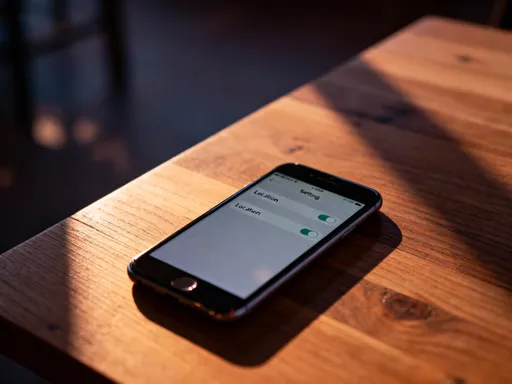
So I went into my phone’s settings, found the app, and turned off location access. Just like that. I expected nothing to change. But within a day, I noticed my battery lasted longer. No more random background pings. And the weirdly specific ads—“Umbrellas on sale near you!”—started to fade. It was a tiny change, but the effect was real. I felt lighter. More in control. It was like closing a window I didn’t know was open, letting all the noise rush in.
The best part? It took less than two minutes. I didn’t need to be a tech expert. I didn’t download any special software. I just tapped a button. And that’s when it hit me—this wasn’t about fear or paranoia. It was about intention. About deciding what kind of digital life I wanted. Did I want my phone to be a silent tracker? Or a helpful companion? The choice was mine. And for the first time in a long time, I felt like I was the one making it.
I started doing this with other apps too. The flashlight app? No need for photos access. The calculator? Definitely doesn’t need my location. Each time I turned something off, I felt a little more ownership. It wasn’t about cutting off all access—it was about being selective. About saying yes only when it made sense, and no when it didn’t. And the more I did it, the more natural it felt. It became less of a chore and more of a habit—like locking the front door at night. Simple. Necessary. Empowering.
Building a Habit: How I Check Permissions Without Thinking
At first, managing permissions felt like extra work. I had to remember to go into settings, hunt down the apps, and make changes. But over time, it became part of my routine—like checking my email or charging my phone. I started doing it during app updates. Every time I saw that “Update” button, I’d pause and ask, “Do I really need all the permissions this app is asking for?” Sometimes the answer was yes. Other times, it was a clear no.
I also set a monthly reminder—first of the month, coffee in hand, phone in lap. I’d scroll through my app list, review what had changed, and adjust anything that felt off. It took about ten minutes, but it gave me a sense of control I hadn’t realized I was missing. And I wasn’t the only one who noticed the difference. My sister called me one day, frustrated because her photos weren’t syncing to her cloud album. “It just says ‘access denied,’” she said. I asked her if she’d recently updated her photo app. She had. “Did you check the permissions?” I asked. She hadn’t. A quick fix—re-enabling photo access—and everything was back to normal. But that conversation sparked something. She started paying attention too. Now she texts me things like, “Turned off location for my meditation app—feels weirdly freeing.”
I even started talking to my kids about it. My 12-year-old daughter downloaded a new game and was about to tap “Allow” on contacts access. I stopped her and asked, “Why does a game need to know who your friends are?” She paused. “I don’t know,” she said. “Maybe it wants to invite them to play?” “But do you want it to?” I asked. She thought for a second, then shook her head. We turned it off together. That moment meant more to me than any tech tip ever could. I wasn’t just protecting my own privacy—I was teaching her to think critically about the digital world. That’s a skill that will serve her for life.
The Unexpected Gains: More Than Just Privacy
I went into this wanting more privacy. But what I got was so much more. My phone runs faster now. Apps don’t freeze as often. I use less data, which matters now that my family’s streaming habits have gone into overdrive. But the biggest surprise? My mental space feels clearer. I’m not bombarded with ads that feel too personal. I don’t get that nagging feeling that I’m being watched. My phone no longer feels like a source of stress. It feels like a tool again—something I use, not something that uses me.
One of the most profound changes was turning off microphone access for apps that didn’t need it. I used to leave it on for convenience—voice search, voice notes, that sort of thing. But once I started questioning it, I realized how many apps had access: games, shopping apps, even a PDF reader. I turned them all off except for the ones I truly used. And almost immediately, I noticed a shift in how I felt around my phone. I wasn’t as tense. I didn’t feel the need to whisper when talking about personal things. It was subtle, but real. It was like removing a low-level hum I hadn’t even noticed was there.
And here’s something I didn’t expect—my kids noticed the change too. They’d say things like, “Mom, you’re not on your phone as much.” I wasn’t using it less—I was using it differently. More intentionally. I wasn’t scrolling mindlessly, reacting to every alert. I was choosing when to check in. That shift didn’t just improve my digital life—it improved my real life. I was more present at dinner. I remembered to call my mom. I actually finished that novel I’d been trying to read for months. All because I took back a little control.
Making It Work for Your Whole Life: Family, Work, and Personal Growth
This isn’t just about me. I’ve started helping my parents set up their phones too. My mom was getting constant pop-ups from a weather app she barely used. She didn’t know how to stop them. I sat with her, showed her how to disable notifications and revoke unnecessary permissions. Now she says her phone “feels calmer.” My dad, who’s always been skeptical of tech, was amazed that turning off background location made his battery last two days instead of one. These small changes gave them confidence. They no longer feel like their phones are working against them.
At work, I’ve applied the same mindset. I used to have every work app running in the background, pinging me with updates, emails, reminders. It felt productive, but it wasn’t. It was distracting. Now I manage permissions for my work tools too. I allow notifications only for the apps that truly need my immediate attention. Others I check on my schedule. The result? I get more done in less time. I’m less reactive. I feel more in control of my day. And honestly, I’m less stressed. That’s not just good for me—it’s good for my team, my family, my whole life.
But the most meaningful part has been watching my kids grow more aware. We have a little ritual now—when they download a new app, we go through the permissions together. We talk about what each one means. We ask, “Do we really need this?” It’s become a moment of connection, not just instruction. And it’s given them a sense of agency. They’re learning to make choices, not just follow prompts. That’s the kind of digital literacy I wish I’d had growing up. It’s not about fear—it’s about empowerment. About knowing you have a say in how technology shows up in your life.
A Lighter, Smarter Digital Life—One Permission at a Time
Looking back, I realize how much I gave away without even knowing it. Not just data, but peace. Clarity. Control. I used to think managing app permissions was for tech geeks or privacy extremists. Now I know it’s for anyone who wants to feel at ease in their digital world. You don’t need to be an expert. You don’t need to change everything at once. You just need to start. Pick one app. One permission. Turn it off if it doesn’t make sense. See how it feels.
For me, it wasn’t a single dramatic change that made the difference. It was a series of small, quiet choices—each one a little act of reclaiming my space, my time, my mind. My phone hasn’t changed. The apps are still there. But my relationship with them has. I’m no longer on the receiving end of constant demands. I’m the one setting the rules. And that shift—from passive user to active owner—has made all the difference.
If you’re feeling overwhelmed, distracted, or just a little watched by your own devices, I get it. You’re not alone. But you don’t have to live that way. Start today. Open your settings. Look at one app. Ask yourself, “Do I really need this?” Then make a choice. Not because you’re afraid, but because you care about your peace. Because you deserve to feel safe, calm, and in control. That’s not too much to ask. And it’s absolutely within your reach. One permission at a time, you can build a digital life that serves you—fully, quietly, and with intention.