Tired of guessing what to eat with friends? This app made group meals effortless
We’ve all been there—scrolling endlessly, asking friends, “What should we eat?” only to end up overwhelmed or disappointed. Choosing a meal together shouldn’t feel like a chore. I used to dread group dinners until I found a simple app that changed everything. It knows our preferences, finds common ground, and suggests places we *all* actually want to go. What started as a dinner helper became a life organizer—smoother plans, less stress, more joy. It didn’t just fix our food fights; it quietly reshaped how we connect, plan, and care for one another. And the best part? It didn’t require any big changes—just a little smart help at the right time.
The Group Dinner Dilemma: When “Anything” Means Nothing
How many times have you asked a friend, “What do you feel like eating?” and gotten the classic reply: “Oh, I don’t know—anything!” Sounds easy, right? But we all know that “anything” often means “nothing,” and what follows is a long chain of indecision. You suggest Italian. “Hmm, maybe not pasta.” Thai? “Too spicy tonight.” Sushi? “I had raw fish yesterday.” Suddenly, you’re scrolling through five different delivery apps, reading reviews, checking prices, and still no one’s happy. And that’s just two people. Add in a group of four or five, and it becomes a full-blown negotiation.
I remember one Friday night when my closest friends and I were trying to meet for dinner. We’d been texting for two days—two days!—and still hadn’t landed on a single option. Sarah needed gluten-free. Mark was on a low-carb kick. Jen was craving comfort food but didn’t want anything heavy. And I just wanted something quick and cozy. By the time we finally picked a place, half the group was already too tired to go. We showed up late, ordered in silence, and left feeling more drained than refreshed. It wasn’t the food that was the problem. It was the emotional labor of planning it all.
What surprised me most was how much this little decision could affect our bond. We weren’t arguing about politics or personal issues—we were stuck on dinner. But the truth is, food is personal. It’s tied to health, culture, energy levels, even moods. When we ignore those differences, we send an unintentional message: “Your needs don’t matter.” And when we constantly compromise without real alignment, resentment builds. I started to realize that the real issue wasn’t indecision—it was the lack of a system that honored everyone at the table, literally and emotionally.
How Nutrition Matching Apps Quiet the Chaos
That’s when I discovered a different way—a quiet little app that didn’t try to track my calories or shame me for eating dessert. Instead, it asked simple questions: What kinds of food do you love? Any ingredients you avoid? Any dietary goals you’re working toward? I entered my preferences—nothing too detailed, just basics like “I like Mexican but can’t do dairy” and “I try to eat light during the week.” Then I invited my friends to join our group.
The first time we used it to pick a restaurant, I was skeptical. But within seconds, the app showed us three options that fit every single person’s profile. One had gluten-free tacos with avocado crema (Sarah-approved), another offered grilled fish with spicy salsa (Mark’s low-carb win), and the third had a rich vegan pozole that Jen raved about. I looked at my phone and literally laughed out loud. It wasn’t magic—it was smart design. The app used gentle AI to cross-reference our preferences, not to judge or push us, but to find common ground. No more guessing. No more guilt. Just real choices that worked for all of us.
What makes these apps different from other food or delivery platforms is that they’re built for connection, not just convenience. They don’t just say, “Here’s a popular place.” They say, “Here’s a place where Sarah can eat freely, Mark can stay on track, and you can enjoy that spicy salsa you love.” It’s like having a thoughtful friend who remembers everyone’s little quirks and makes sure no one feels left out. And the best part? The more we used it, the smarter it got. It learned that I always pick vegetarian when we go out, that Jen avoids peanuts, and that Mark actually loves Ethiopian food even though he never suggests it. Over time, it became less of a tool and more of a teammate.
From Meals to Meaning: Building Connection Through Shared Preferences
What I didn’t expect was how much deeper our conversations became. One night, the app suggested a dessert place with sugar-free options. My friend David, who usually skips sweets, actually ordered a treat. When I asked him about it, he smiled and said, “I didn’t have to worry—it showed me exactly what I could have.” That’s when I realized he’d been quietly managing his blood sugar for years, but never wanted to make a big deal about it. The app didn’t just help us pick a dessert—it helped me understand him better.
That moment changed how I saw the whole experience. This wasn’t just about food. It was about care. When the app remembers that your friend avoids nuts or loves Korean flavors, it’s not just processing data—it’s honoring what matters to them. And when you show up at a restaurant that fits their needs without them having to explain or advocate for themselves, it sends a quiet but powerful message: “I see you. You belong here.” That kind of emotional safety is rare—and it’s something we often overlook in our busy lives.
I’ve watched couples use the app to balance their health goals—she’s trying to eat more plant-based, he’s rebuilding strength after an injury. Instead of feeling like they’re on different paths, they use the app to find meals that support both. I’ve seen families discover new traditions—grandma’s favorite dumpling spot now has a vegan version on the menu because the app helped the restaurant understand demand. And I’ve seen shy friends speak up more, knowing their preferences are already seen and respected before the group even gathers. These apps don’t replace human connection—they deepen it by removing the friction that so often gets in the way.
Turning One Tool into a Life Organization Habit
Here’s the funny thing: once we got used to letting the app help with dinner, we started wondering, “What else could it help with?” It started small. We used it to plan a weekend brunch, then a holiday potluck. Then someone said, “Hey, if it knows what we like to eat, maybe it can help with movie night snacks?” And it could. The app began suggesting simple pairing ideas—popcorn with nutritional yeast for the dairy-free crew, dark chocolate clusters for the low-sugar folks. Suddenly, movie night felt more inclusive, more joyful.
Then we connected it to our shared calendar. Now, when we schedule a group dinner, the app sends a reminder two days ahead and asks if anyone wants to update their preferences. It even generates a grocery list if we’re cooking together. One time, we were planning a surprise birthday dinner, and the app flagged that the honoree had recently added “no shellfish” to her profile—something she hadn’t mentioned to anyone yet. We switched the menu last minute and avoided a serious issue. That moment made us all pause. This wasn’t just about convenience anymore. It was about protection. About care. About showing up for each other in ways we didn’t even know we needed.
People in my circle started applying the same mindset to other areas. One friend uses a similar system to plan family game nights—her kids love it because the app always suggests games that match their energy levels and interests. Another uses it to pick gifts—“If it knows I hate scented candles but love cozy socks, why not let it help with birthdays?” The pattern is clear: when a tool reduces the mental load of small decisions, we gain space for what really matters—presence, creativity, joy. We’re not outsourcing our lives. We’re reclaiming our time and attention.
Privacy Without the Paranoia: Keeping Data Safe and Simple
I know what you might be thinking: “Wait, are we sharing our health data with an app? Isn’t that risky?” That was my first concern too. But here’s what I’ve learned: these apps aren’t storing medical records or tracking your doctor visits. They’re not asking for your lab results or insurance details. All they store are your personal preferences—things you’d probably tell a close friend anyway. “I avoid dairy.” “I’m trying to eat more protein.” “I love Indian food but can’t handle too much spice.” That’s it.
And you control exactly who sees what. When I invite a friend to my group, I can choose whether they see my full profile or just the basics. Want to hide your “low-sugar” preference from your sweet-tooth cousin? You can. Want to share your gluten-free needs with your book club but keep your calorie goals private? Easy. The app uses clear, simple permissions—no confusing legal jargon, no hidden tracking. You can delete your data anytime, and the app doesn’t sell it to advertisers. It’s designed to serve you, not exploit you.
What really reassured me was how transparent it felt. When I first signed up, the app walked me through each setting with plain language: “This means your friends will see you prefer vegetarian meals. Turn it off if you don’t want them to know.” No pressure. No guilt. Just choice. And over time, I realized that sharing my preferences wasn’t a risk—it was an invitation. It let my friends care for me in ways they couldn’t before. And when they shared their own needs, I could do the same for them. Privacy isn’t about hiding—it’s about sharing on your own terms. And this app makes that possible.
Real Talk: How My Friend Group Actually Uses It
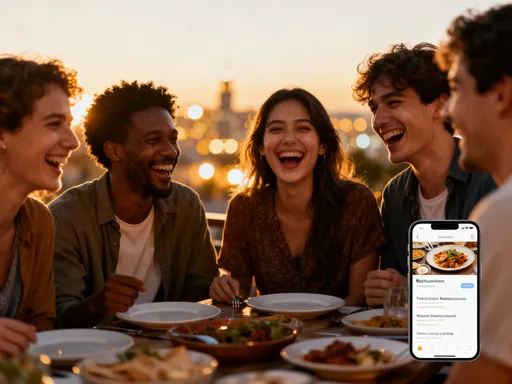
Let me take you inside a typical week with my crew. Every Friday, around 5 p.m., someone texts our group chat: “Dinner tonight?” Before, that message used to spark hours of back-and-forth. Now, someone just opens the app, taps “Plan Dinner,” and shares the top three suggestions. We vote with emojis—👍 for yes, ❤️ for love it, 🙈 for no way—and within minutes, we’ve got a plan. Last week, it suggested a new Middle Eastern spot with grain bowls, lamb skewers, and a dairy-free mint yogurt sauce. We’d never have found it on our own. Best part? Everyone found something they genuinely wanted to eat.
Our birthday dinners have changed too. Instead of the birthday person having to pick a place—often defaulting to somewhere safe but boring—we let the app suggest options that honor their preferences. One friend who’s vegetarian and gluten-free got to choose from five amazing spots she’d never heard of. “I felt seen,” she said. “Like the whole group was thinking about me.” That’s a far cry from the old days of “Oh, just pick something—anywhere’s fine.”
And yes, we joke about it. “You’re inviting the app again?” Mark teased last month. “Only because it picked that amazing ramen spot last time,” I shot back. “And because it remembered you hate mushrooms before you even had to say it.” We laugh, but we also rely on it. It’s become part of our rhythm—like bringing wine to a dinner party or calling “shotgun” in the car. It’s not replacing us. It’s supporting us. And honestly? I think we’re closer because of it. We talk more, listen better, and show up with more intention. All because we stopped fighting over food and started enjoying each other again.
The Bigger Picture: Small Tech, Big Peace
In a world that never stops buzzing, the real luxury isn’t more features or faster speeds. It’s peace. It’s the ability to take a breath, to show up for the people you love without being weighed down by the little things. That’s what this app gave me—not just easier dinners, but more energy, more presence, more joy. It didn’t change my life in a dramatic way. It changed it in a thousand small ones: less stress before a gathering, more confidence in my choices, deeper conversations around the table.
And that’s the power of thoughtful technology. It’s not about flashy gadgets or complicated systems. It’s about tools that understand how we really live—messy, busy, full of love and forgetfulness and good intentions. The best innovations don’t demand our attention. They give it back. They help us care better, connect deeper, and move through the world with a little more ease.
I used to think I had to do it all myself—remember every preference, plan every detail, carry the mental load of keeping everyone happy. Now I know I don’t. I have help. And that help doesn’t make me weaker or more dependent. It makes me more human. Because when the small things are taken care of, I have more room to laugh, to listen, to be there. Isn’t that what we all want? Not a perfect life, but a fuller one. One where we can say, “Let’s go eat,” and actually enjoy it—every bite, every moment, every connection.