Shared 127 family recipes across 3 generations: How tech kept our kitchen traditions alive
Remember the smell of your grandmother’s soup simmering on the stove? Those recipes hold more than flavor—they carry love, memory, history. But what happens when they’re lost in sticky notes or fading cards? I’ve been there. Over years, our family scattered, and so did our meals. Then we started using simple tools to share and preserve them. It changed everything—not just our dinners, but how we stay connected. What began as a way to save a few treasured dishes turned into something deeper: a living archive of who we are, built one recipe at a time with the help of everyday technology.
The Moment We Almost Lost Our Favorite Recipe
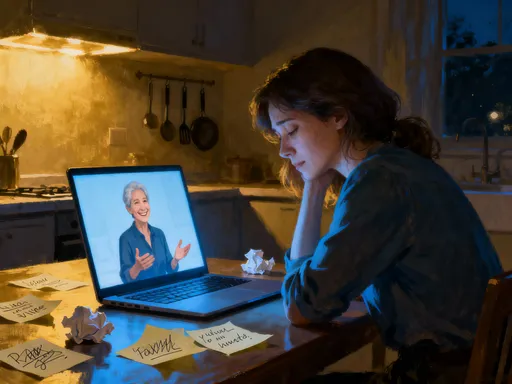
It was Thanksgiving, and I was in charge of Grandma’s apple pie—the one with the lattice crust that somehow stayed flaky no matter how long it sat. I’d made it before, but this year, I couldn’t find her recipe card. I called my sister, who said she’d last seen it in Mom’s kitchen drawer. Mom didn’t answer her phone. Panic set in. I scoured my own files, flipped through old notebooks, even checked the back of a grocery list from 2018. Nothing. By the time Mom finally called back, the pie was in the oven—with a last-minute substitution I wasn’t proud of. It tasted… fine. But it wasn’t hers.
That moment hit me harder than I expected. It wasn’t just about dessert. It was about continuity. Grandma had passed ten years earlier, and with her went the quiet, steady presence that had anchored so many of our gatherings. Her recipes were one of the few things that still felt like her. And now, even that was slipping away. I realized then that we were all holding fragments—my cousin had the chicken soup, my aunt had the cinnamon rolls, I had the blueberry muffins—but no one had everything. Worse, no one was sharing. We assumed someone else had it covered. But what if no one did?
I started asking around. Did anyone have a digital copy? A photo? A scanned version? Blank stares. One cousin admitted she’d lost her handwritten copy when her house flooded. Another said her mom kept everything in a notebook that “was around somewhere.” The fear crept in: what if, in another ten years, these recipes were gone for good? Not because we didn’t care, but because we hadn’t made it easy to care. That pie incident became a wake-up call. It wasn’t enough to have the recipes. We needed to protect them. And we needed a way to make sure the next generation could find them, use them, love them just like we did.
From Folders to Family Feasts: Choosing the Right Platform
At first, I thought a simple cloud folder would do. I created a shared drive, uploaded photos of a few recipe cards, and sent the link to the family group chat. “Here’s Grandma’s pie recipe!” I wrote, feeling proud. Two weeks later, I checked. No one had opened it. One cousin replied, “I don’t know how to get to that link.” Another said, “It looks like a bunch of files—how do I know which one is the soup?” I realized I’d built something that worked for me—but not for everyone.
So I started over. I looked at apps made for recipe sharing. Some were too fancy, with features like nutritional breakdowns and meal planning that felt overwhelming. Others were too simple, just text fields with no room for photos or stories. Then I found one that struck the perfect balance: easy to use, built for collaboration, and designed with real families in mind. It let us upload photos of handwritten cards, add notes, tag ingredients, and even record short voice clips. Most importantly, it had a clean, intuitive layout that didn’t require a tech manual to navigate.
The real test came when I invited Aunt Maria, who still uses a flip phone for calls and only recently learned to text. I didn’t send her a link. Instead, I sat with her on a Sunday afternoon, showed her how to open the app, and walked her through uploading her famous pork dumpling recipe. She took a photo of her stained, flour-dusted card, added a note about using lard instead of oil for the wrapper, and even recorded a 20-second clip explaining how to pinch the edges just right. “Like this,” she said, her voice warm and familiar. “Not too tight, not too loose.” When she hit “save,” she grinned. “It’s like I’m teaching my granddaughter, even if she’s not here yet.” That moment told me we’d found the right tool—not because it was advanced, but because it made everyone feel included.
Teaching Tech-Shy Relatives Without Saying “Click Here”
One of the biggest lessons I learned was this: teaching older family members isn’t about showing them how to use technology. It’s about helping them see why it matters. I stopped saying “Click here” or “Open that.” Instead, I started with questions: “Do you want your grandkids to know how you make your potato pancakes?” “Wouldn’t it be nice if everyone could make your famous stew, even if you’re not there to show them?” That shifted the conversation from fear to purpose.
I also stopped assuming everyone had to use the same method. Some relatives preferred voice notes. My uncle, for example, isn’t comfortable typing, but he loves to talk. So I asked him to record himself describing how he seasons his grilled fish. He sent a three-minute audio clip full of pauses, chuckles, and little details like “a pinch of paprika, but not too much—your mother always said it should smell like comfort, not spice.” I uploaded it to the recipe, and now when my niece listens to it, she says it sounds just like him.
Others liked using photo albums. My sister started a shared album where we post pictures of the recipes as we cook them—burnt edges, messy counters, and all. It’s not about perfection. It’s about presence. One night, my 12-year-old nephew made the family meatloaf for the first time. He sent a photo of his lopsided loaf with the caption, “Grandpa’s recipe, my version.” My dad, who had been hesitant to join at first, replied, “Looks just like his. Proud of you.” That photo—and that message—now lives with the recipe. It’s not just instructions anymore. It’s a conversation across generations.
Turning Recipes into Rituals: Scheduling Shared Cooking Nights
Once we had the recipes saved, we wanted to use them—together. But with family spread across three time zones, meeting in person wasn’t always possible. So we started virtual cooking nights. Every first Saturday of the month, we pick one family recipe and cook it at the same time, video chatting as we go. We use a shared calendar to remind everyone, and someone sends a group message the day before: “Don’t forget—Grandma’s chicken and dumplings tonight!”
The first one was chaotic. My cousin’s internet cut out while she was chopping onions. My mom forgot to hit “record” on her phone, so we missed the moment she revealed her secret ingredient (baking powder in the dumplings—shh). But we laughed. A lot. And when we all held up our finished bowls at the end, steam rising from the screens, it felt like we were at the same table. One of my aunts said, “I haven’t felt this close to everyone since the last reunion.”
Now, these nights are something we all look forward to. My teenage niece, who used to roll her eyes at “old family stuff,” now asks, “What are we cooking next month?” She even started a playlist of songs Grandma used to play while baking and shares it before each session. Technology didn’t replace tradition—it helped us create new ones. And the best part? The kids are learning without even realizing it. They’re absorbing not just the recipes, but the rhythm of togetherness, the joy of shared effort, the comfort of belonging.
Adding Stories to Ingredients: Enriching Recipes with Memory
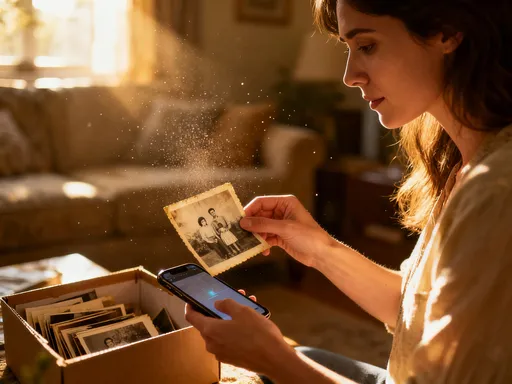
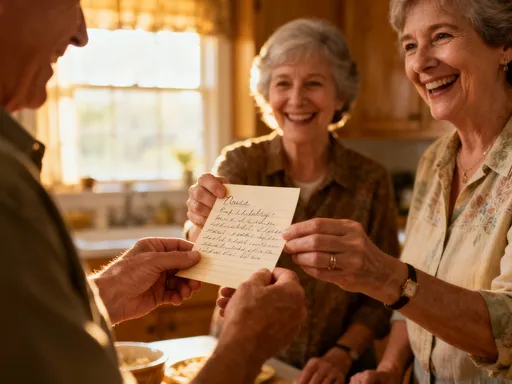
One of the most powerful things we’ve done is go beyond the ingredients list. A recipe isn’t just measurements and steps. It’s context. It’s emotion. It’s the story behind the dish. So we started adding layers: a scanned copy of Grandma’s handwriting, a video of her stirring the pot, a voice note from my dad saying, “She never measured anything—she just knew.”
Take the simple spaghetti with tomato sauce. On paper, it’s basic: tomatoes, garlic, olive oil, basil. But in our digital archive, it’s alive. There’s a photo of Grandpa in his garden, holding a basket of ripe red tomatoes. There’s a note from my mom: “He grew these every summer. Said the secret was singing to the plants.” (We still debate whether he was joking.) There’s a 30-second clip of Grandma laughing as she says, “If the sauce is too thick, add a splash of pasta water—just like life, a little adjustment makes it better.”
Now, when my nephew makes that sauce, he doesn’t just follow steps. He watches the video. He reads the note. He feels connected. He told me, “It’s like they’re in the kitchen with me.” That’s the magic of blending tech with tradition. We’re not just preserving recipes—we’re preserving presence. And we’re giving the next generation something priceless: the feeling that they come from somewhere, that they’re part of something lasting, even as the world changes around them.
Solving Real Problems: Missing Measurements, Last-Minute Swaps, and Kid-Friendly Versions
Let’s be honest—family recipes don’t always come with clear instructions. Grandma’s note might say “a handful of flour” or “until it looks right.” That’s charming… until you’re standing in your kitchen, staring at a bowl of dough that’s either too sticky or too dry. We’ve all been there. So we used the tech to solve real, everyday problems.
We started adding comments to each recipe. If someone tried a substitution—like almond milk for cream in the mashed potatoes—we’d note it. “Worked great!” or “Too runny—stick with butter.” Over time, these comments became a collective wisdom, a living guide shaped by real experience. One cousin is vegan, so she added plant-based versions of several dishes. Another has a gluten allergy, so she tested and tagged gluten-free alternatives. Now, no matter someone’s diet or skill level, they can find a version that works.
We also used tags to organize everything. “Quick weeknight meals,” “Holiday favorites,” “Kid-approved,” “One-pot dishes.” My sister, who’s a busy mom of three, said this was a game-changer. “I can filter by ‘30 minutes or less’ and still make something that feels special.” And when my nephew wanted to make cookies for his school bake sale, he filtered by “Kid-friendly” and found Grandma’s oatmeal raisin recipe—with a comment from me: “Add chocolate chips. Trust me.” He did. They sold out in ten minutes.
The system also helped during emergencies. Last winter, I was hosting dinner and realized I was out of fresh herbs. I opened the app, pulled up the roast chicken recipe, and checked the comments. My aunt had written: “No thyme? Use a pinch of oregano and a dash of lemon zest.” Saved the meal. More than that, it reminded me that we’re not alone in the kitchen. Even when we’re apart, we’re still helping each other out, one comment at a time.
Why This Isn’t Just About Food—It’s About Belonging
Looking back, I see now that this journey was never really about preserving recipes. It was about preserving connection. Food is the thread, but the fabric is love, memory, identity. Every time we upload a recipe, share a story, or laugh over a blurry video call, we’re saying: You matter. We remember. We’re still here.
Technology didn’t replace our traditions—it helped us keep them alive in a world that moves too fast. It gave us a way to honor the past while embracing the present. And it gave the younger generation a way to feel rooted, even as they grow into their own lives. My niece recently told me, “I want to teach my kids these recipes someday.” That’s the legacy we’re building—not just meals, but meaning.
If you’re sitting there thinking, “I should do something like this,” I’ll say this: start small. Pick one recipe. One memory. Share it with one person. It doesn’t have to be perfect. It just has to be real. Because the truth is, our families are made of moments—some big, most small. And when we use simple tools to hold onto them, we’re not just saving recipes. We’re saving pieces of each other. So go ahead. Take that photo. Record that voice note. Send that message. Your kitchen—and your family—will thank you.