I kept ignoring my electricity bill until this smart plug showed me the truth
You know that moment when you open your electricity bill and wince—not because you don’t expect it, but because it’s always higher than it should be? I felt the same, shrugging it off as “just how things are.” But what if the real problem isn’t your habits, but the invisible energy drain hiding in plain sight? I discovered that small, smart changes—especially in how we manage power at home—can transform not just bills, but daily comfort and peace of mind. It started with one simple device, but it changed the way I see my entire home.
The Silent Cost of Living Comfortably
Let’s be honest—no one wakes up excited to pay their electricity bill. For years, I treated it like a monthly surprise I never wanted: always too high, never explained. I’d tell myself, “Well, the AC was running a lot,” or “It was a long winter,” and just accept it. But deep down, I knew something wasn’t right. I wasn’t doing anything extreme. I turned off lights. I unplugged what I remembered. So why did the numbers keep climbing?
It wasn’t until I started tracking my usage more closely that I realized comfort has a hidden price tag. That price isn’t just measured in dollars, though that part stings. It’s also measured in stress. How many of us come back from a weekend trip only to find a bill that looks like a mistake? Or dread summer because the AC feels like a luxury we can’t afford? I started to feel guilty every time I turned on the fan, like I was doing something wrong just for trying to stay comfortable.
And then there’s the bigger picture—the planet. I care about doing my part, but it’s hard to feel like one person can make a difference. Yet when I learned that households in the U.S. waste nearly 30% of their energy through inefficiency, it hit me: maybe I wasn’t lazy or careless. Maybe I just didn’t have the right tools. What if the solution wasn’t about giving things up—but about working smarter? That’s when I decided to stop guessing and start seeing.
Waking Up to What’s Really Draining Your Power
I used to think “off” meant off. If I wasn’t using it, it wasn’t costing me. That belief lasted right up until the moment I plugged my TV into a smart plug and saw the app report 18 watts of power being used—while the TV was off. Eighteen watts doesn’t sound like much, but when I multiplied that by the number of “off” devices in my home, it added up fast. My router? 12 watts. My soundbar? 10. My coffee maker with the digital clock? 5. All of them quietly sipping electricity 24 hours a day, 7 days a week.
This is what they call “phantom load” or “vampire power”—energy that devices suck up even when they’re not in use. And it’s everywhere. Think about your living room. How many things are plugged in right now? The entertainment center, the lamps, the charging stations, the gaming console, the Wi-Fi router, maybe a space heater or fan on standby. Each one is likely drawing power, even if you can’t see it. According to the U.S. Department of Energy, phantom loads can account for up to 10% of a home’s total electricity use. That’s like leaving a light on in every room, all day, every day.
The worst part? We don’t even notice it. There’s no flashing light, no warning sign. It’s invisible. But it shows up in the bill. And once I became aware of it, I couldn’t unsee it. I started walking through my house asking, “Is this really off?” I wasn’t angry—just surprised. And honestly, a little empowered. Because if the problem was invisible, maybe the solution could be just as quiet. Maybe I didn’t need to change my life. Maybe I just needed a little help seeing what was already happening.
How Smart Plugs Transformed My Living Room (and My Bill)
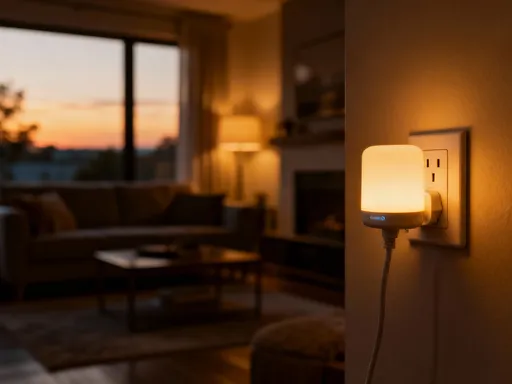
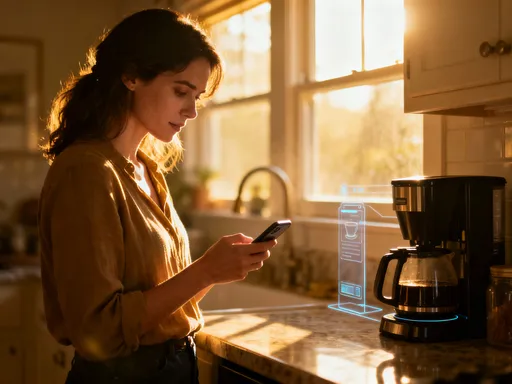
That’s when I bought my first smart plug. I didn’t go all-in on a full smart home system—I just picked one, the kind you can find at any major retailer, and plugged in my TV and soundbar. Within minutes, I had an app on my phone showing real-time energy use. I could see exactly how much power each device was using, down to the watt. And what I saw shocked me.
When the TV was on, it used about 85 watts—fine, expected. But when I turned it off with the remote? It dropped to only 18 watts. The “off” wasn’t really off. The soundbar was even worse—22 watts on standby. That’s almost as much as when it was playing music! Over a month, that added up to more than 15 kilowatt-hours of wasted energy. At my rate, that’s nearly $2 per month per device. And I had several.
So I started using the smart plug’s features. I set a schedule: power off completely at 11 p.m., when I know I’m not watching anything. I created a “Goodnight” routine in the app that turns off the TV, soundbar, and floor lamp with one tap. No more forgetting to unplug. No more guilt. And the best part? I didn’t lose any comfort. If I wanted to watch something later, I could turn it on remotely. The TV came back to life in seconds. No waiting, no hassle.
After three months, I checked my electricity usage history. My living room circuit—which includes the TV, lamps, and router—was using 22% less energy. That translated to about $18 saved per month, or over $200 a year. And that was just from one room, one smart plug, and a few small adjustments. I didn’t change my lifestyle. I just made it smarter.
Lighting Smarter, Not Harder
Lighting is such a big part of how a space feels. A warm lamp in the corner makes the room cozy. A bright overhead light helps you read. But I realized I wasn’t using lighting efficiently. I’d leave lamps on all day because I didn’t want to get up and turn them off. Or I’d forget to switch them off at night. I thought, “It’s just a bulb,” but over time, even a 60-watt bulb left on for extra hours adds up.
So I tried smart bulbs. I didn’t replace every bulb in the house—just three in the living room. I chose ones that let me adjust brightness and color temperature from my phone or with voice commands. I set them to turn on at sunset and dim as bedtime approached. I linked them to motion sensors so they’d turn off automatically if no one was in the room for 10 minutes.
The difference was immediate. First, the energy savings. LED smart bulbs use about 80% less energy than traditional incandescent bulbs. And because they turn off when not needed, I wasn’t wasting power. But the real win was how it changed the feel of my home. I could set a “Relax” scene with soft, warm light in the evening. I could brighten the room with a simple voice command while cooking dinner. My daughter loved it too—she’d say, “Alexa, turn on movie lights,” and the room would shift to a dim blue glow.
It wasn’t just about saving electricity. It was about creating a space that responded to us, not the other way around. I felt more in control. And honestly, more at peace. The house felt calmer, more intentional. And again, I didn’t have to do anything hard. No rewiring. No complicated setup. Just a few bulbs and a little time in the app.
Optimizing Temperature with Smart Thermostats
Temperature is everything when it comes to comfort. Too cold, and you’re bundling up. Too hot, and you’re sweating before dinner. I used to adjust the thermostat manually, but I was always guessing. I’d turn it down before leaving the house, but forget to turn it back up. Or I’d come home to a freezing living room and crank the heat, wasting energy to catch up.
Then I installed a smart thermostat. This wasn’t a flashy gadget—it looked like a regular thermostat, just a little sleeker. But what it did was amazing. It learned my schedule. After a few days, it started noticing when I left for work, when I came home, when we went to bed. It began adjusting the temperature automatically—lowering it when the house was empty, warming it up just before I got back.
I didn’t have to program anything. I just used it normally, and it adapted. I could control it from my phone, so if plans changed, I could adjust on the go. I set it to keep the living room at 68°F during the day in winter, 72°F in summer. At night, it drops a few degrees to save energy while we sleep. And when we go on vacation, I can turn it down remotely, knowing I won’t come back to a cold house or a sky-high bill.
The energy savings were real—about 12% on heating and cooling, according to the app. But the comfort gain was even better. Coming home to a warm, welcoming space without having to remember anything? That’s the kind of luxury I didn’t know I needed. It’s not just saving money—it’s saving mental energy. No more decisions, no more second-guessing. The house just knows.
Creating Zones for Efficiency and Peace
One thing I learned is that treating the whole house as one unit doesn’t work. We use different spaces in different ways. The living room is for relaxing, the reading nook is for quiet time, the entertainment area is for movies. But until I started using smart devices, everything ran on the same schedule—or no schedule at all.
Now, I’ve created zones. Each area has its own set of smart plugs, bulbs, and routines. In the evening, I say, “Hey Google, movie mode,” and the living room lights dim, the TV turns on, and the soundbar powers up. Unused outlets shut off automatically. When the movie ends, another voice command turns everything off.
In the reading corner, I have a smart lamp that turns on at dusk and adjusts brightness based on natural light. If I fall asleep with it on, it turns off after 30 minutes of no motion. It’s small, but it adds up. I’m not just saving energy—I’m creating a home that supports how I actually live.
This kind of zoning also helps with family harmony. My teenager can control her room’s lights and outlets with her phone, so she doesn’t feel micromanaged. I don’t have to nag about turning things off. The system handles it. And because everything is connected, I can see usage by room and make adjustments where needed. It’s not about control—it’s about cooperation between us and our home.
Long-Term Gains: More Than Just Savings
When I started this journey, I thought the goal was a lower bill. And yes, saving over $200 a year feels great. But what I didn’t expect was how much more I’d gain. I feel more in control of my home. I make fewer decisions about lights, temperature, and power. That might sound small, but over time, those little choices add up to mental fatigue. Now, I don’t have to think about them. The house takes care of it.
I also feel more connected to my impact. Seeing real-time data helps me understand what’s working and what’s not. I can celebrate small wins—like cutting phantom load by half or using natural light more. It’s not about perfection. It’s about progress. And that mindset has spilled over into other areas of my life. I’m more mindful about water use, food waste, even how I shop.
Most importantly, my home feels different. It’s quieter, calmer, more intentional. It’s not a tech showcase—it’s a space that supports us. My kids notice it too. They’ve started turning off lights without being asked. They care more about conserving energy because they see how it works.
If you’re looking at your electricity bill and feeling that familiar wince, I get it. But don’t just pay it and move on. Take a closer look. Start with one room. One smart plug. One bulb. See what’s really happening. You don’t need a full smart home. You just need one small change to start seeing the truth. And once you do, you’ll realize it’s not about sacrifice—it’s about living smarter, feeling better, and building a home that truly works for you.